Practice & self-reliance
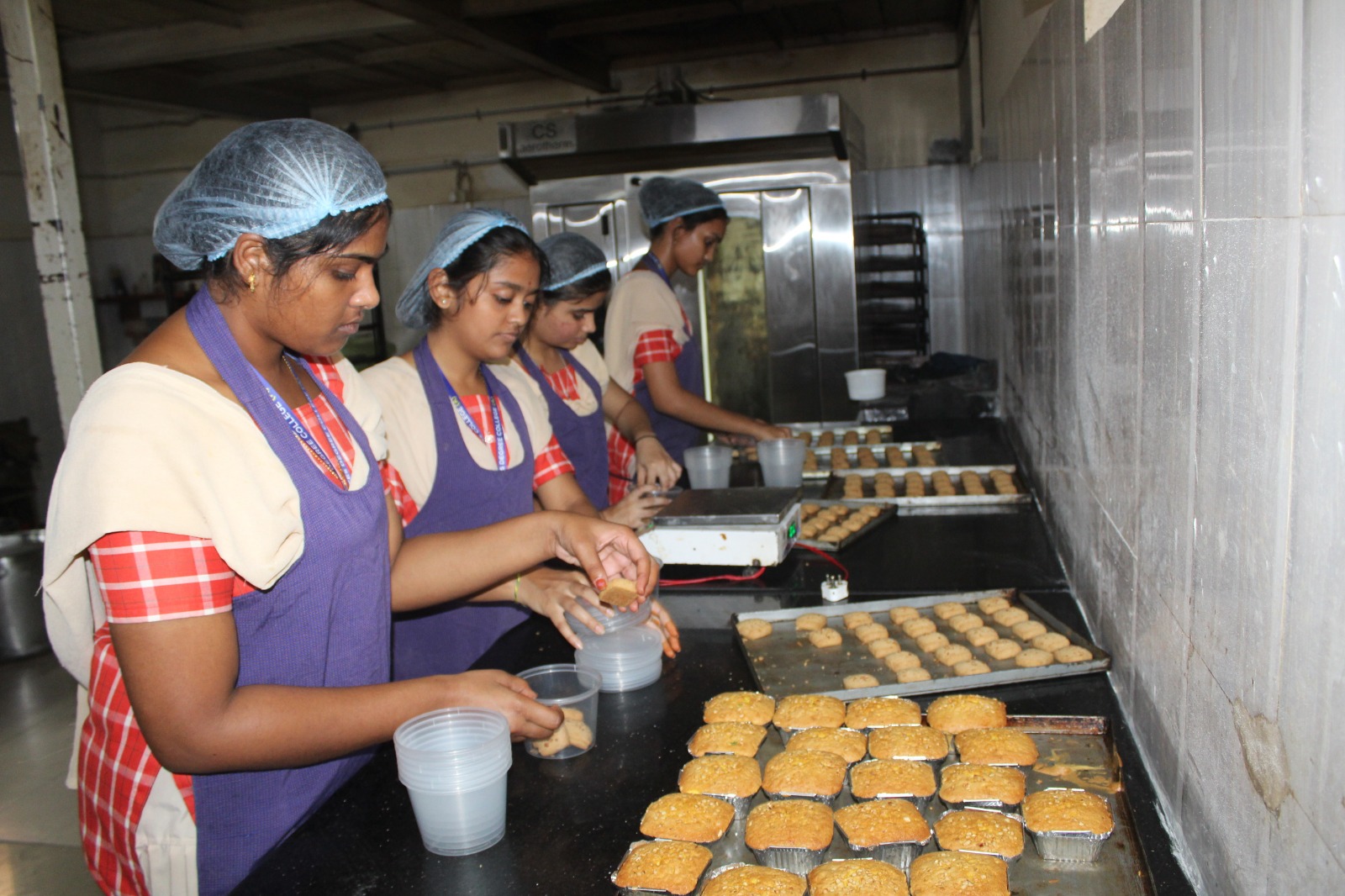
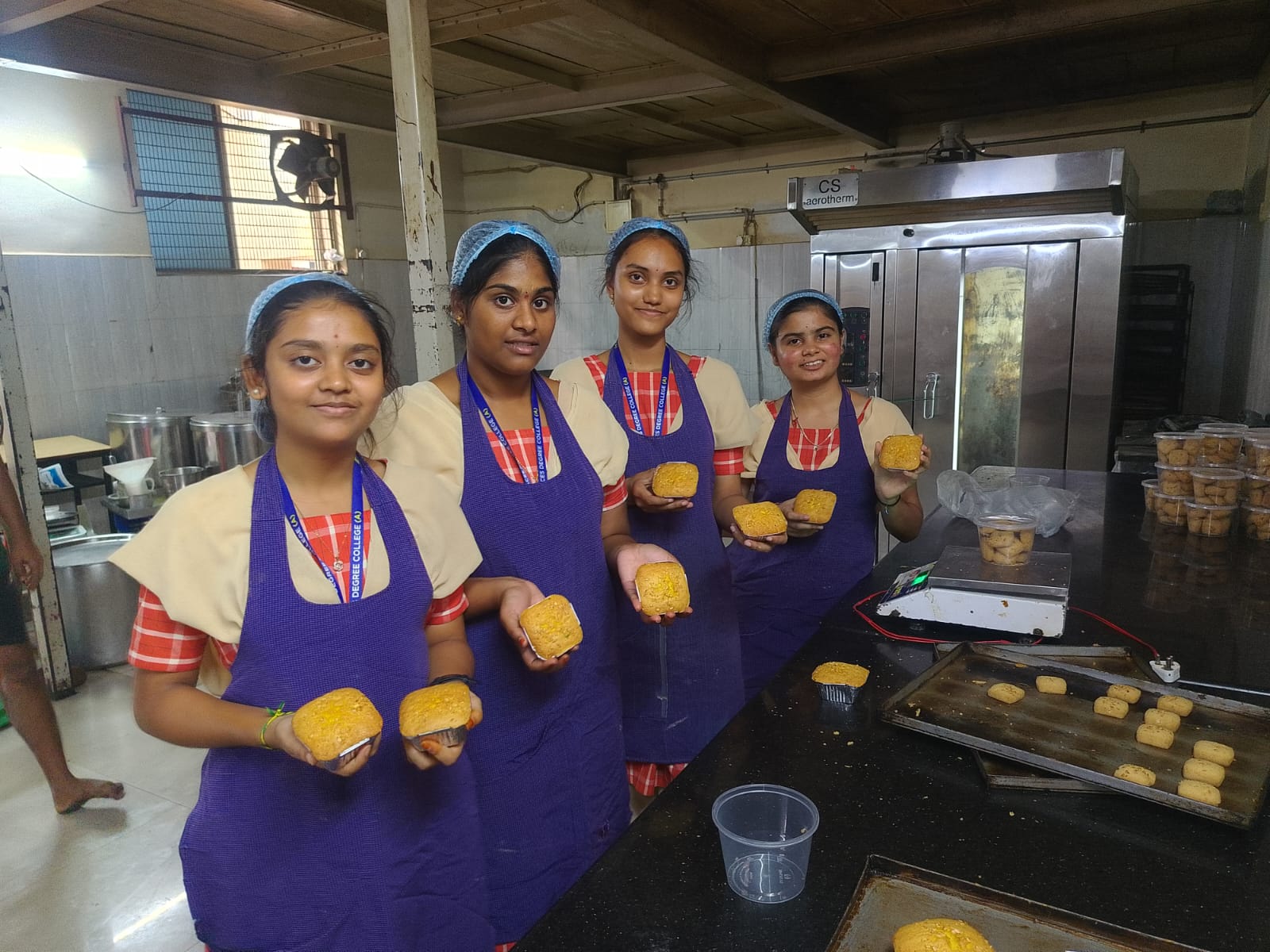
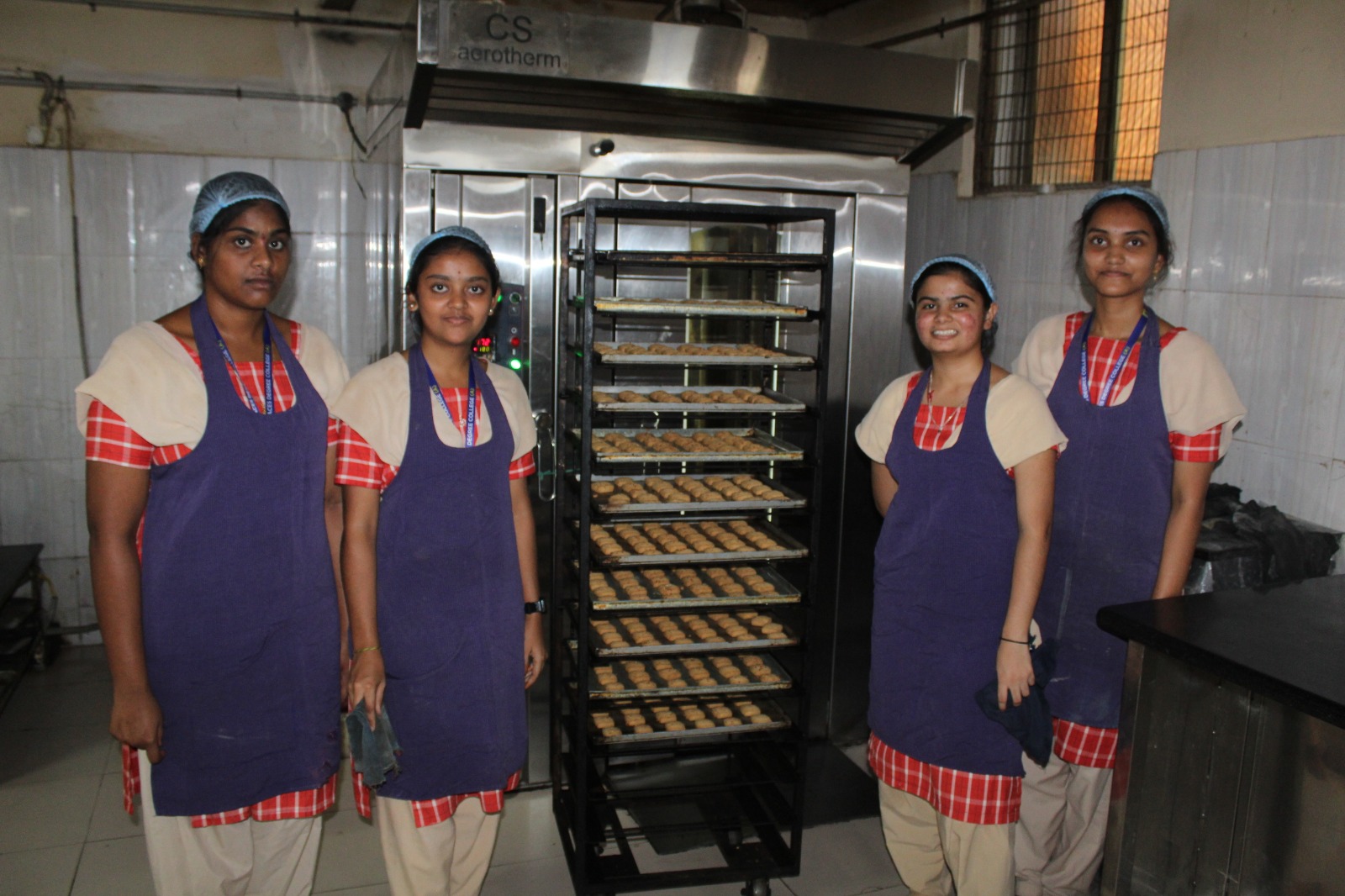
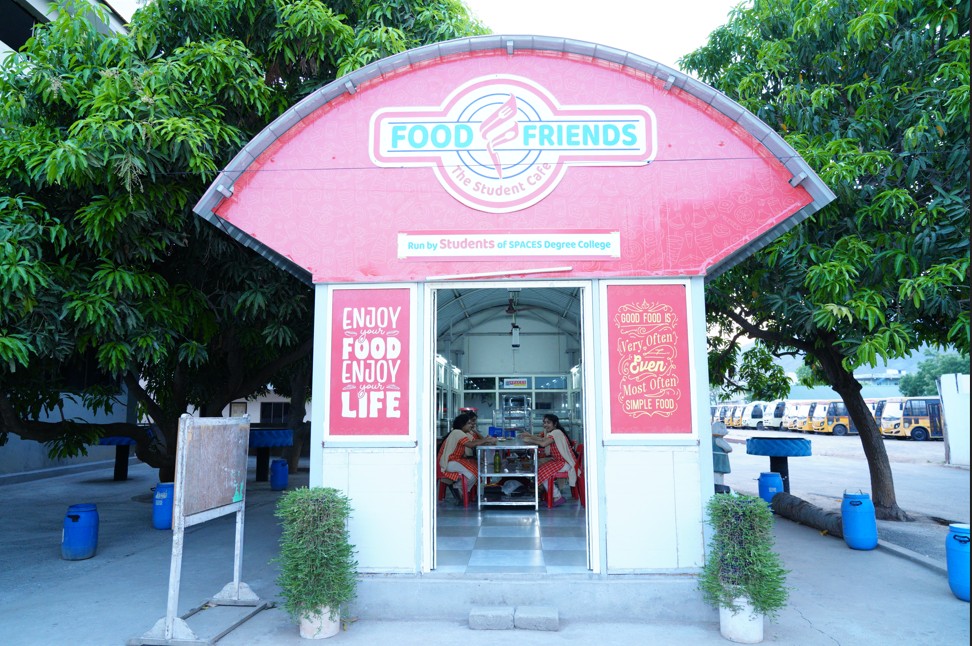
Earn While You Learn
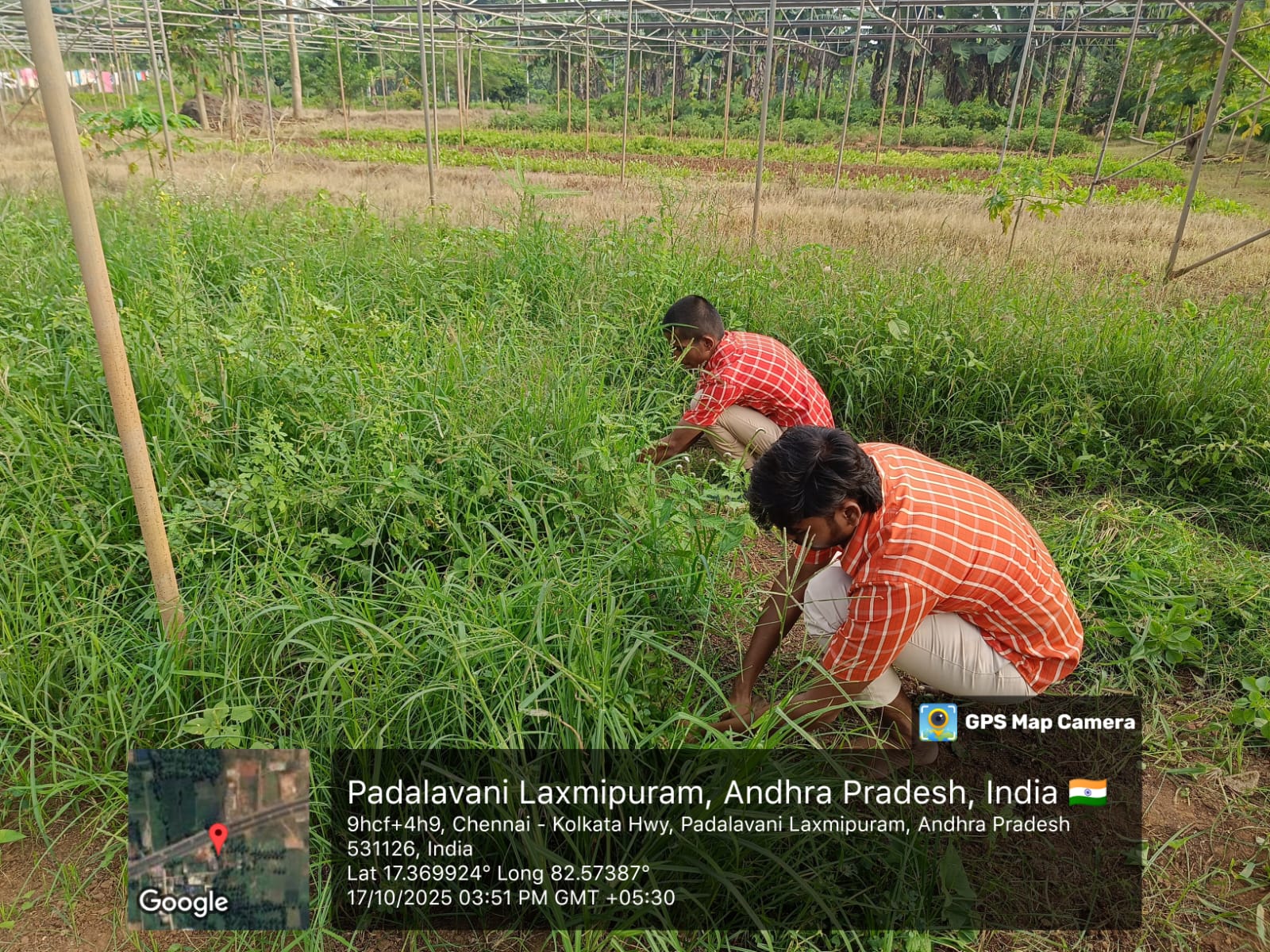
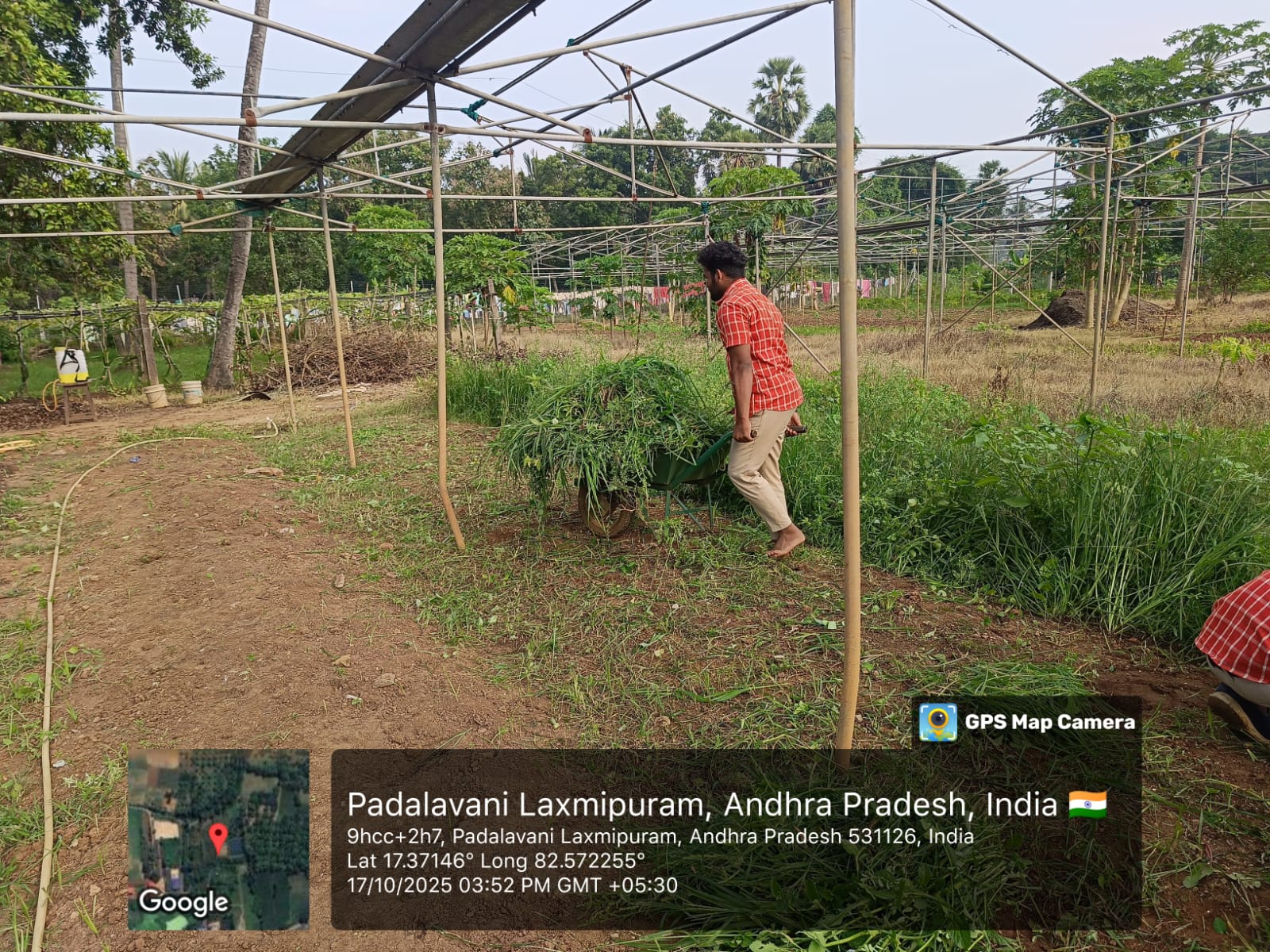
Students learn through productive, sustainability-oriented activity—building practical competence, responsibility and an understanding of how resources circulate through real systems.

A flagship SPACES initiative
Circular Economy, Innovation and Student Startup Initiative
Education in action
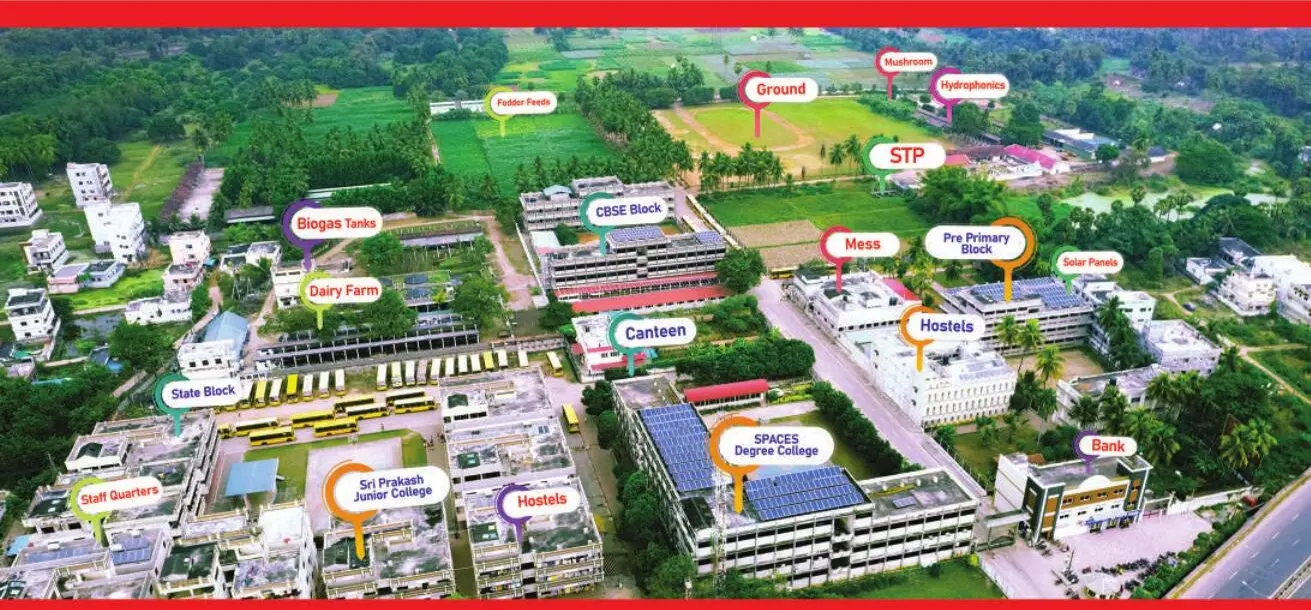
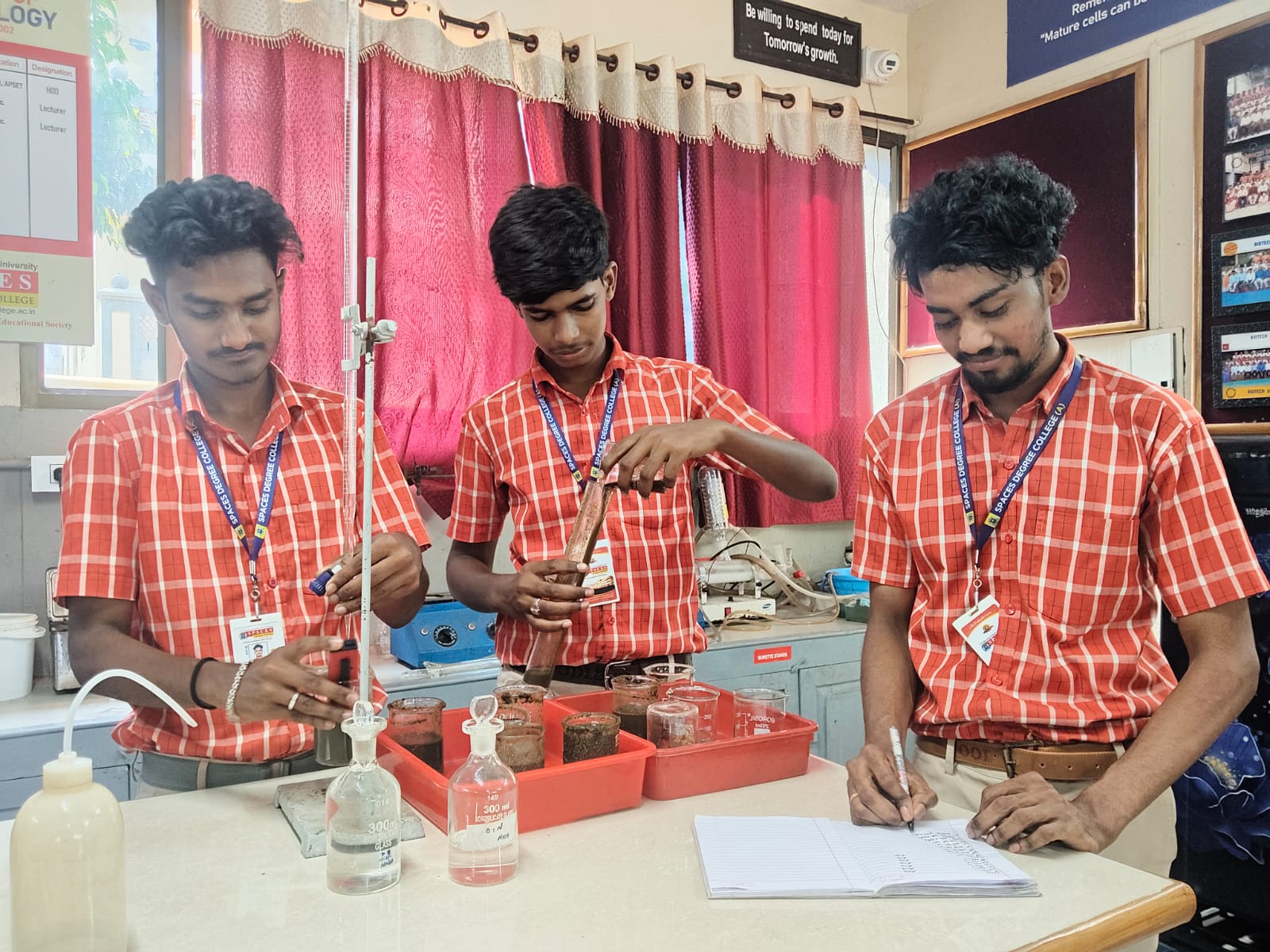
SPACES treats the campus as a living learning environment. Students connect classroom knowledge with resource efficiency, production, technology and problem-solving through supervised practical activity.
The long-standing Earn While You Learn approach is extended through Make a Startup While You Learn: an institutional innovation and entrepreneurship initiative that helps promising ideas develop into prototypes, applications, systems and viable enterprise-oriented solutions.
Practice & self-reliance
Students learn through productive, sustainability-oriented activity—building practical competence, responsibility and an understanding of how resources circulate through real systems.
Innovation & enterprise
Students receive structured faculty mentorship and institutional support to explore problems, test ideas, build prototypes and develop solutions with practical and entrepreneurial potential.
Institutional innovation & entrepreneurship
The startup incubation cell creates an enabling environment for interdisciplinary exploration and student-led enterprise development while students continue their higher education.
Identify an emerging social, technological, environmental or economic problem.
Apply classroom knowledge to shape a useful product, service, application or system.
Develop and test prototypes with faculty mentorship and institutional facilities.
Validate the solution and prepare an enterprise-oriented pathway for further development.
The campus as a living laboratory
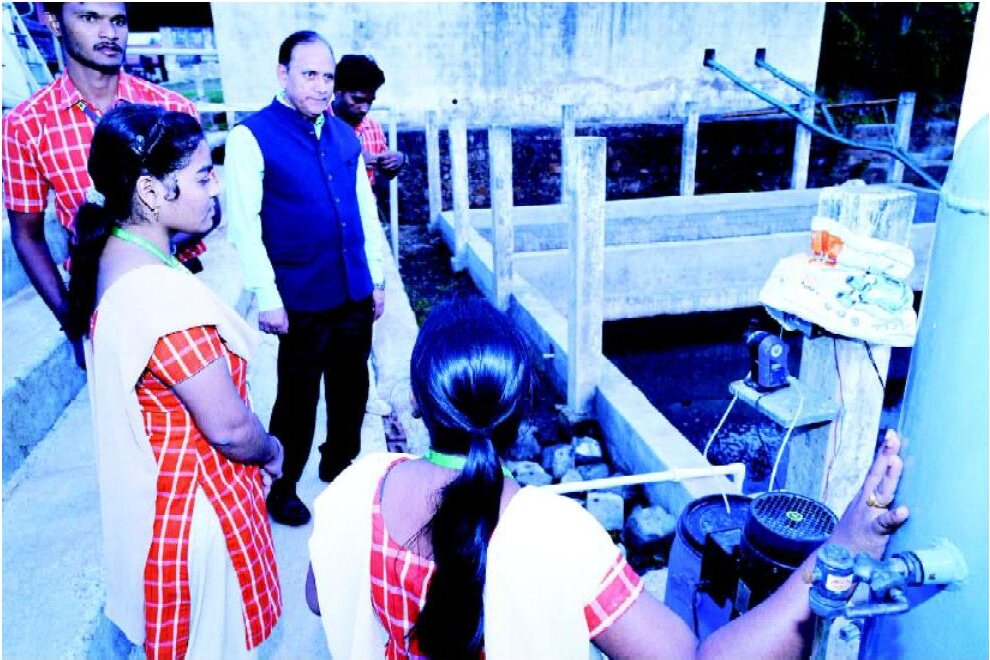
Students observe, analyse and improve connected campus activities, turning sustainability challenges into opportunities for applied learning and innovation.

Centre for Excellence
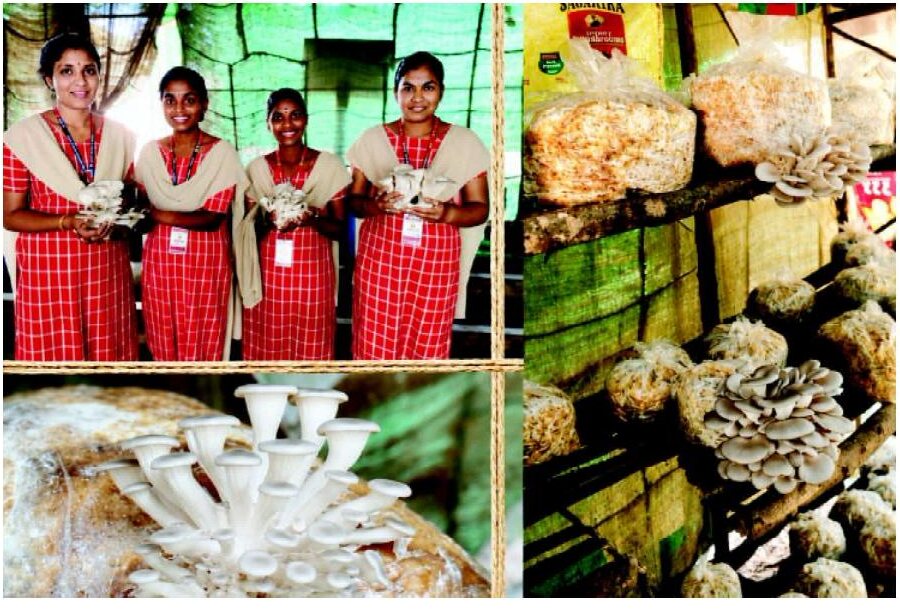
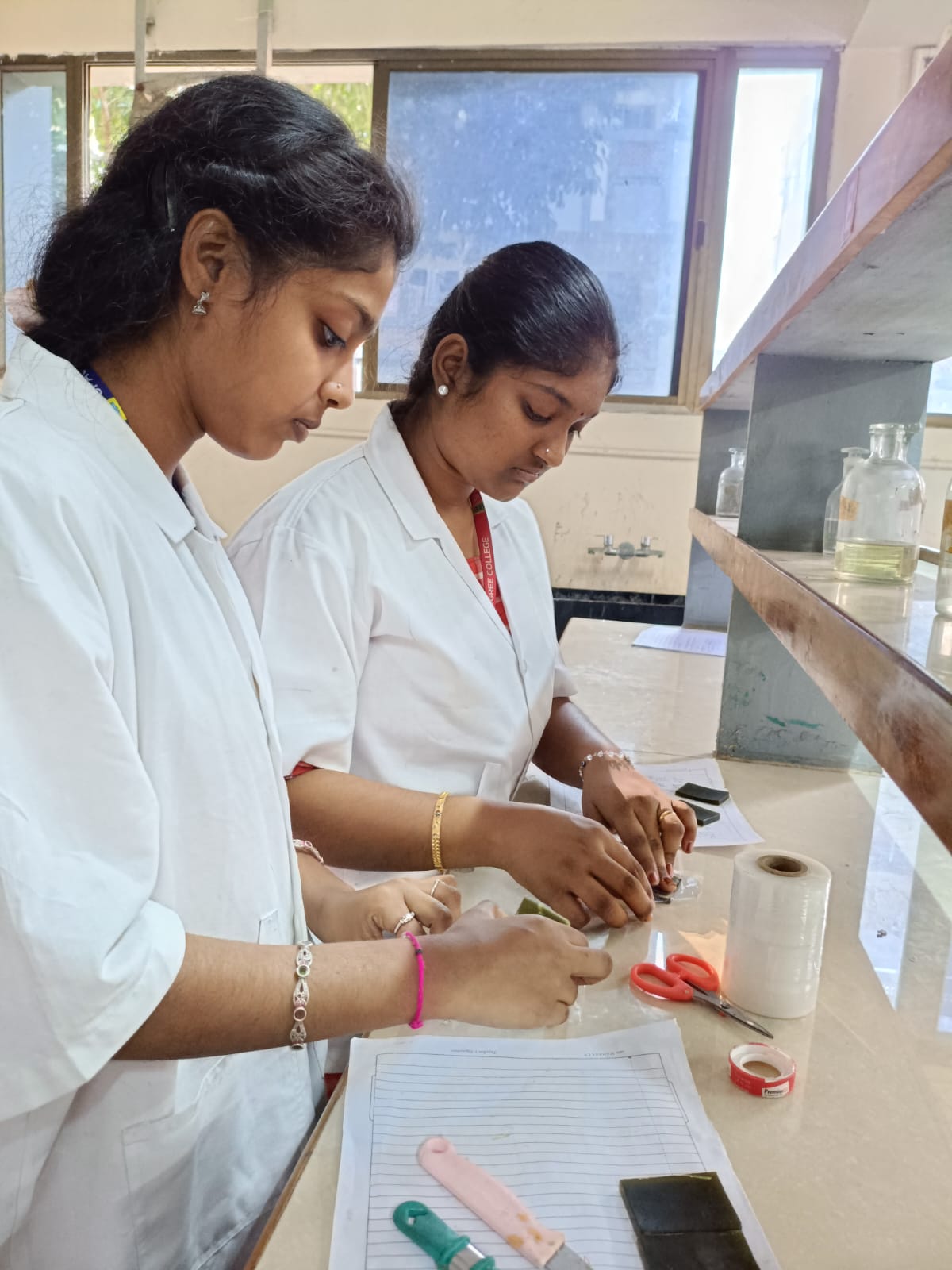
Open a project to review its objectives, working practices, skills and retained photographic record.
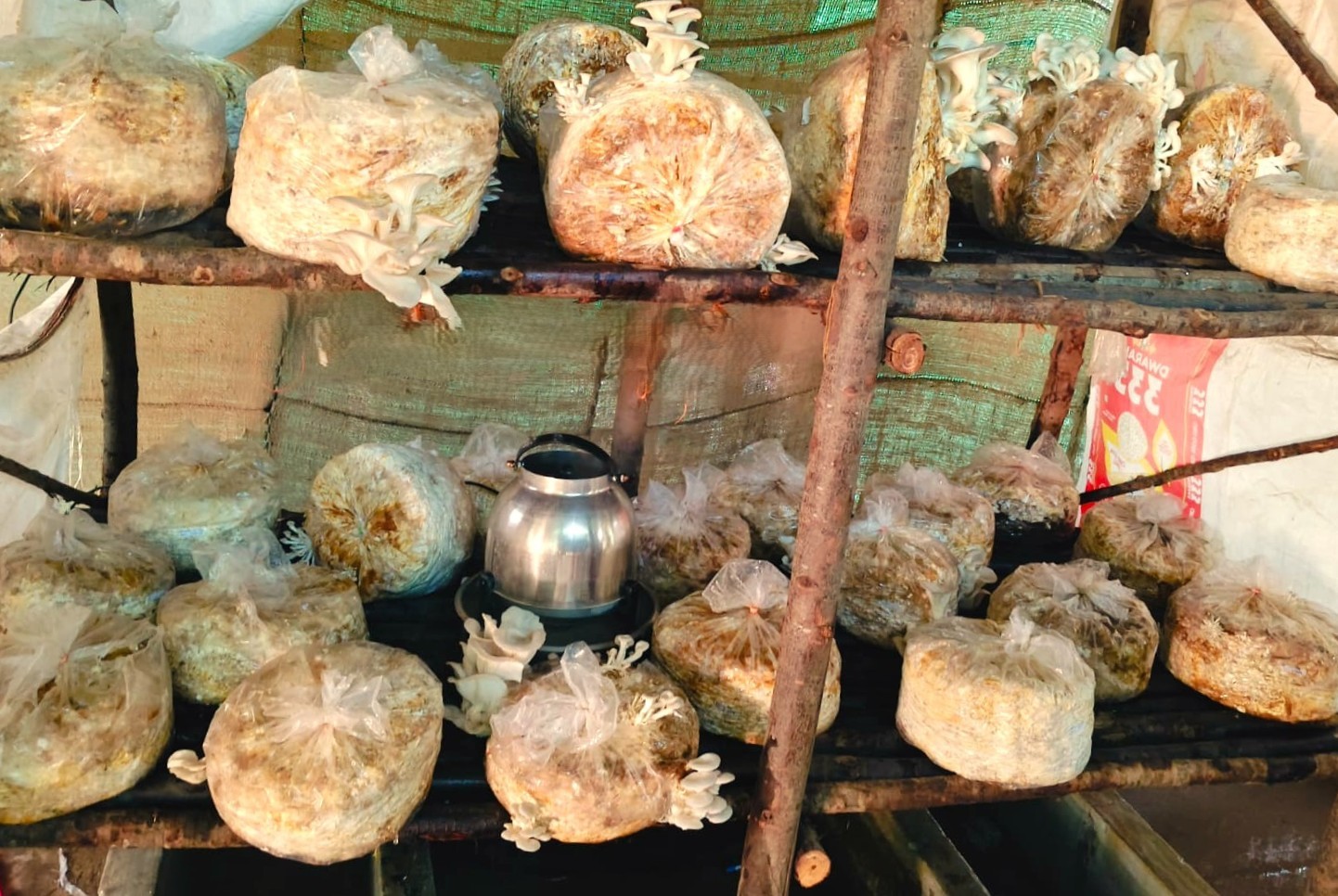
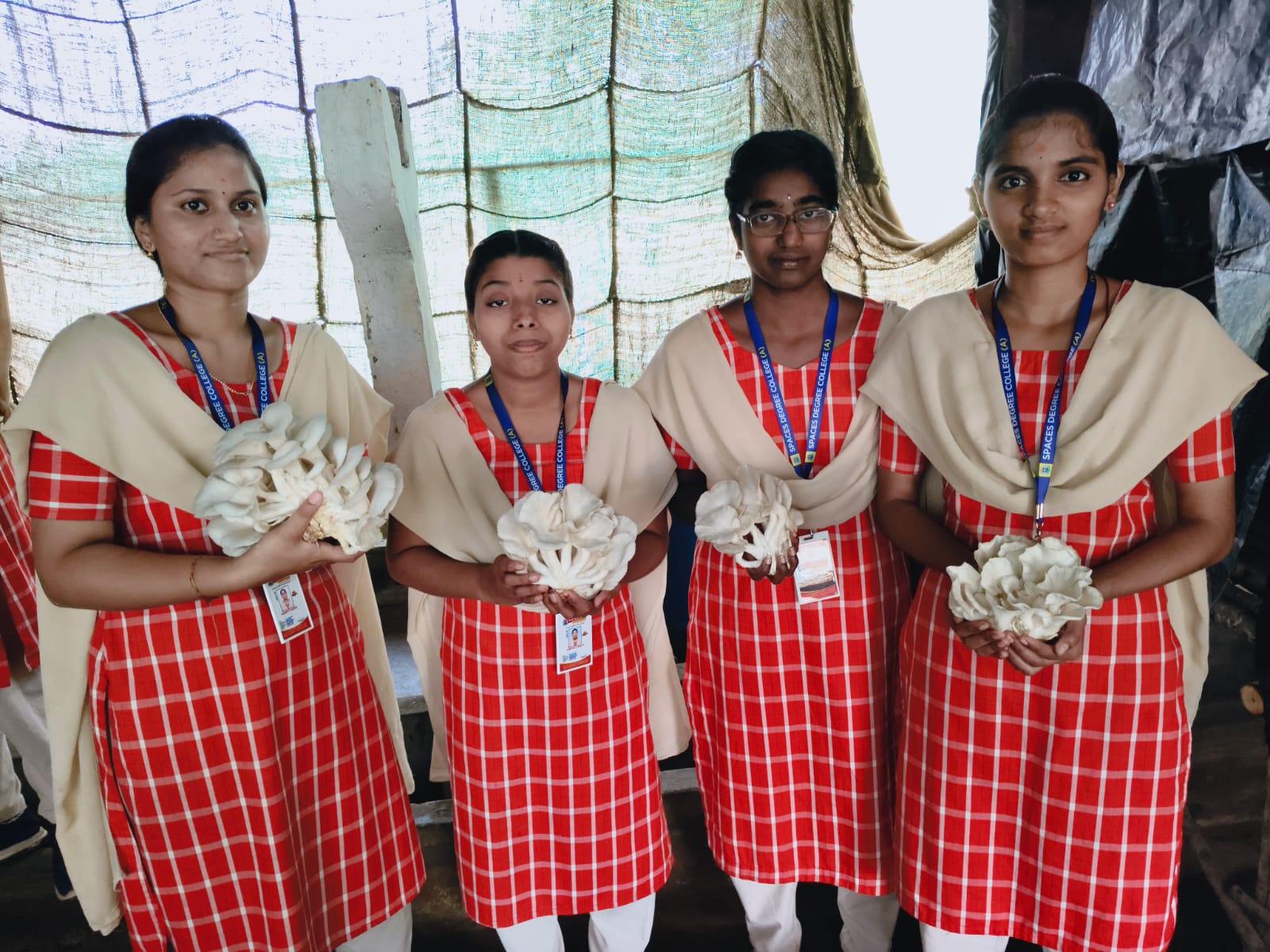
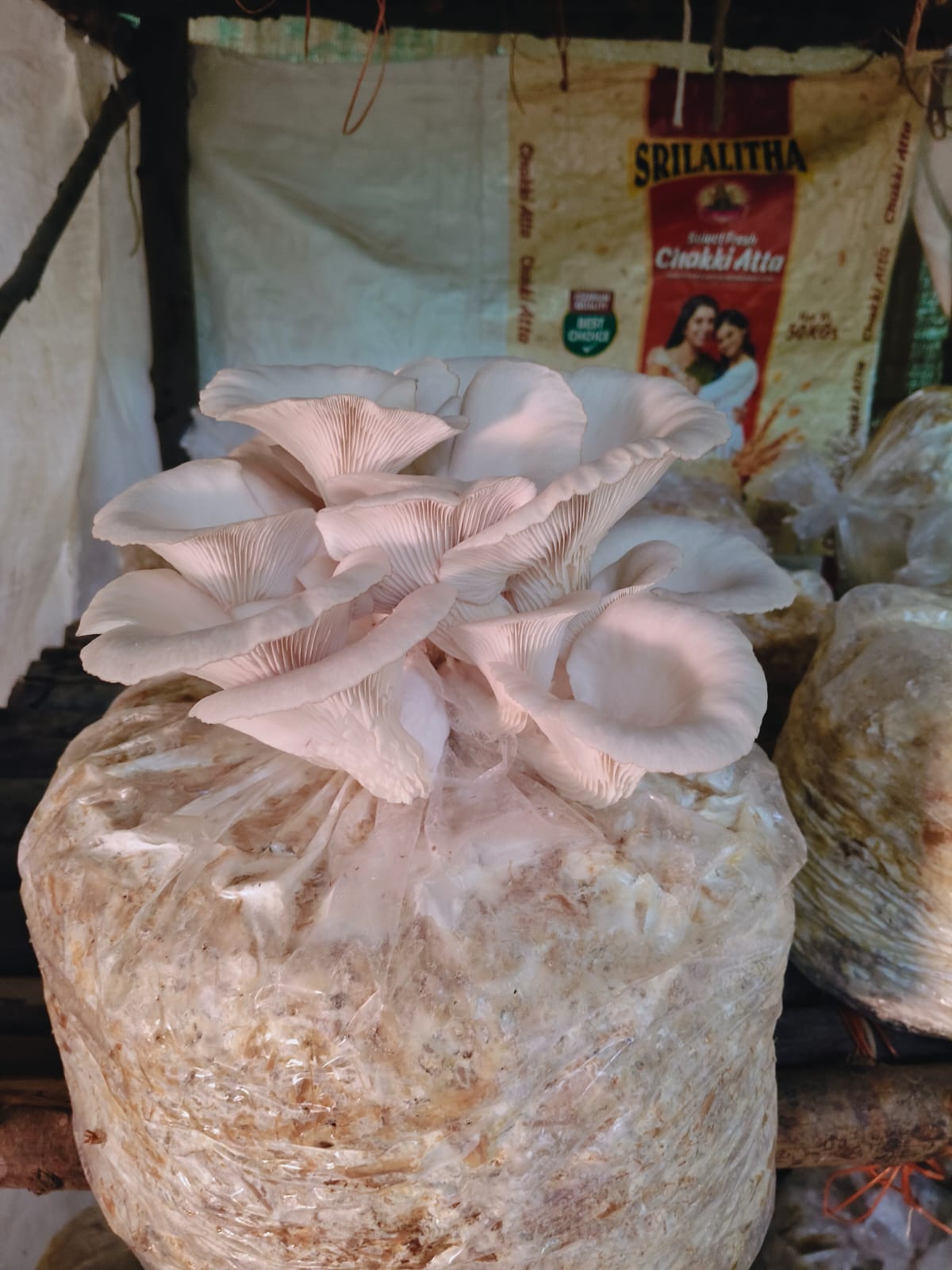
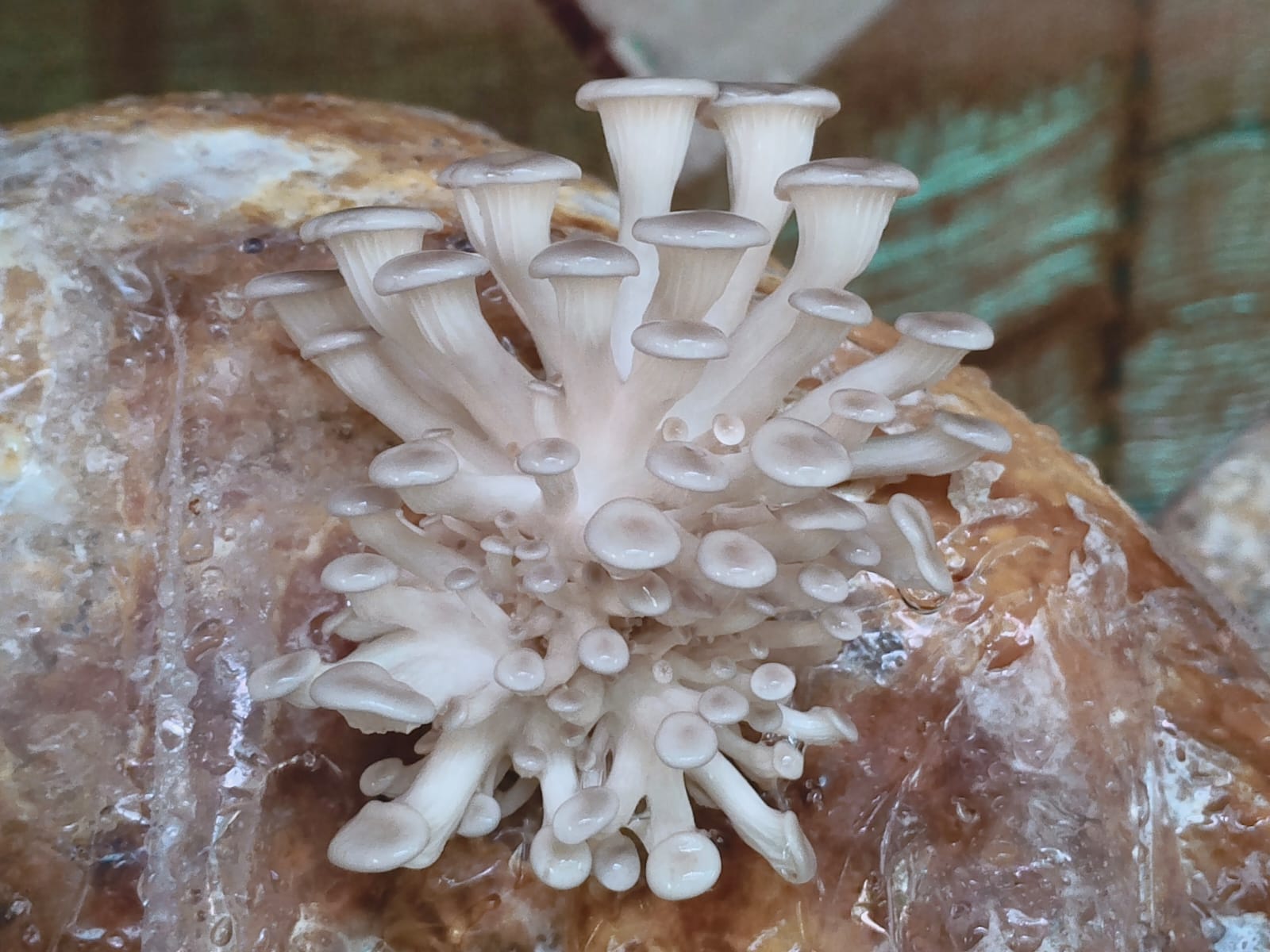
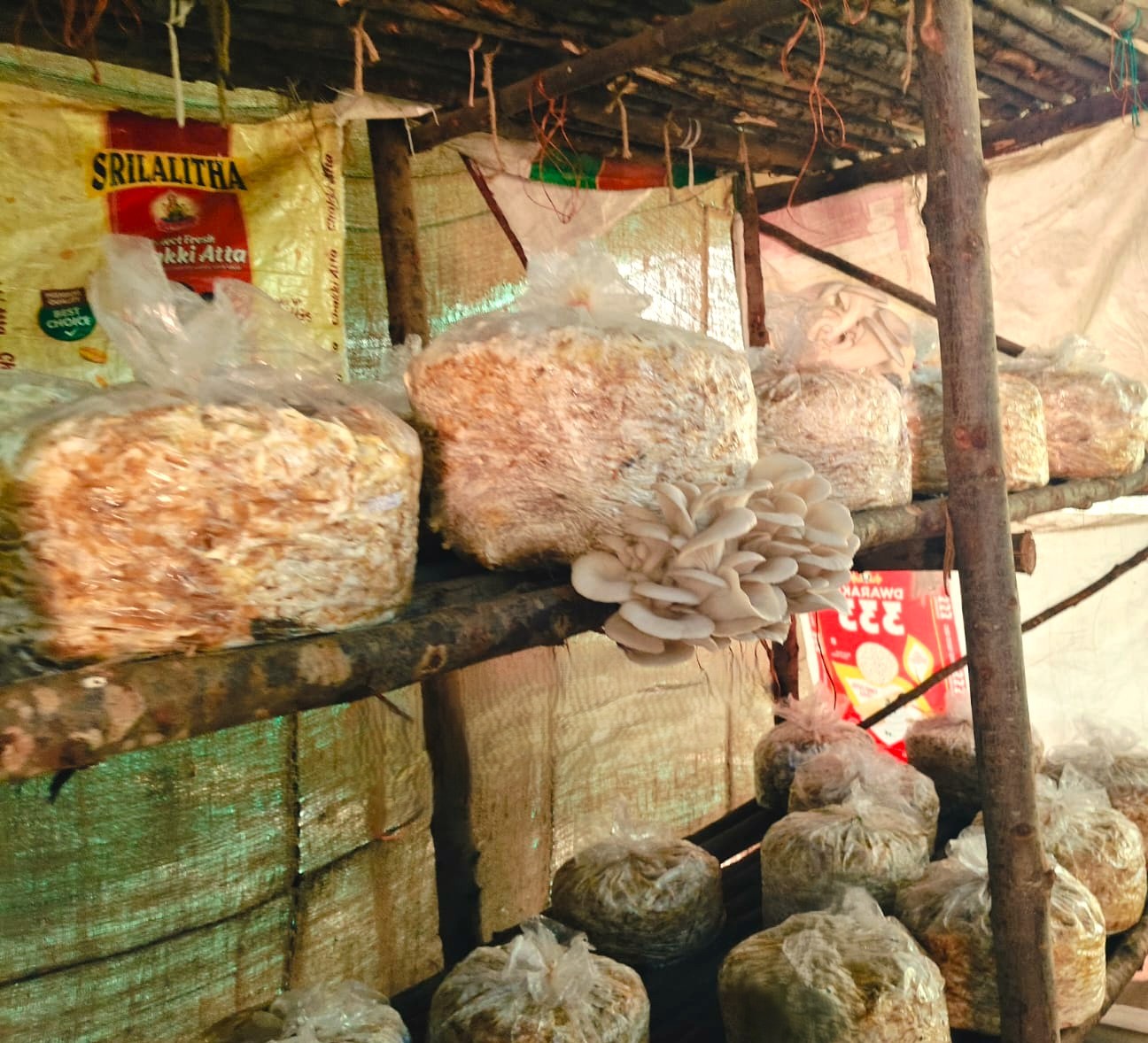
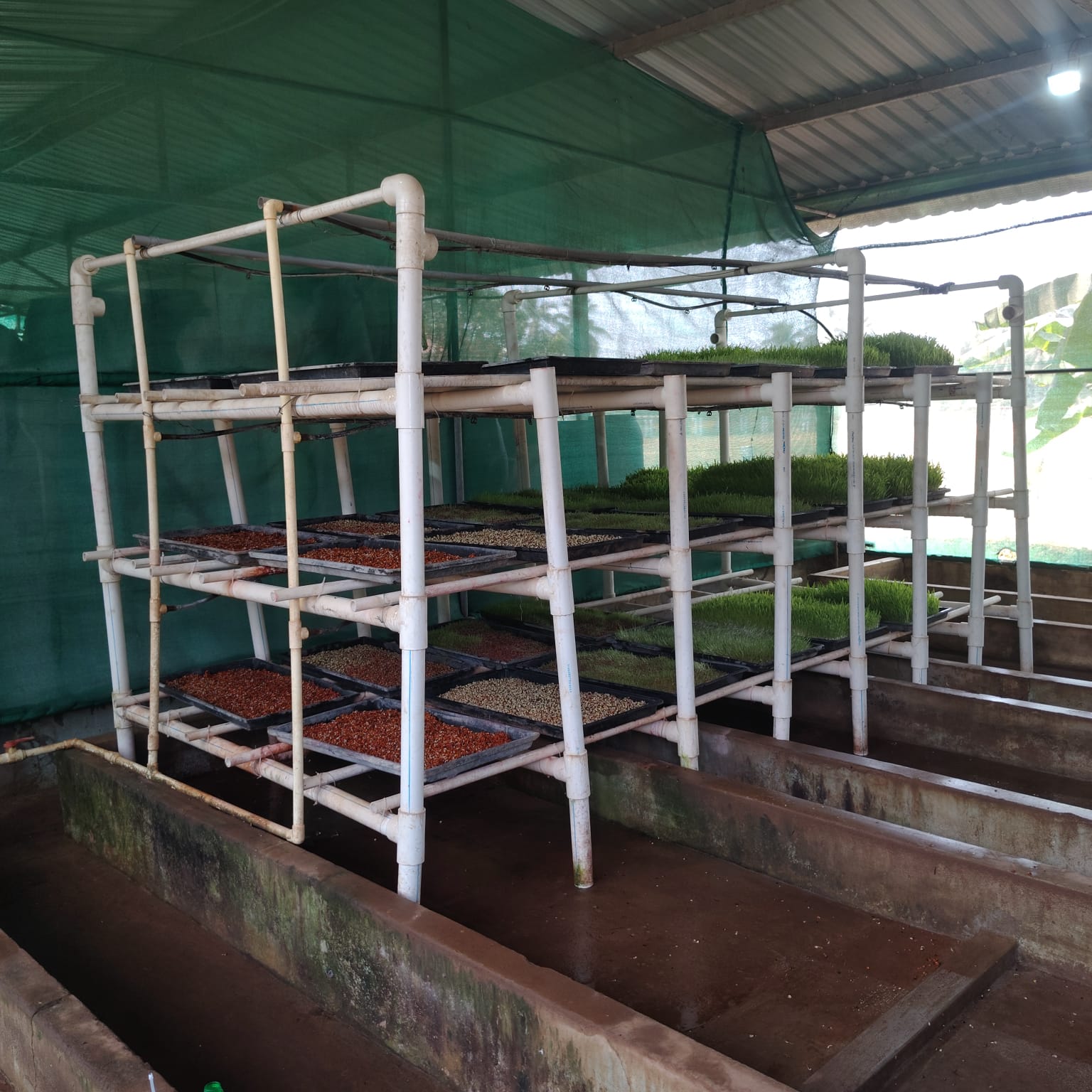
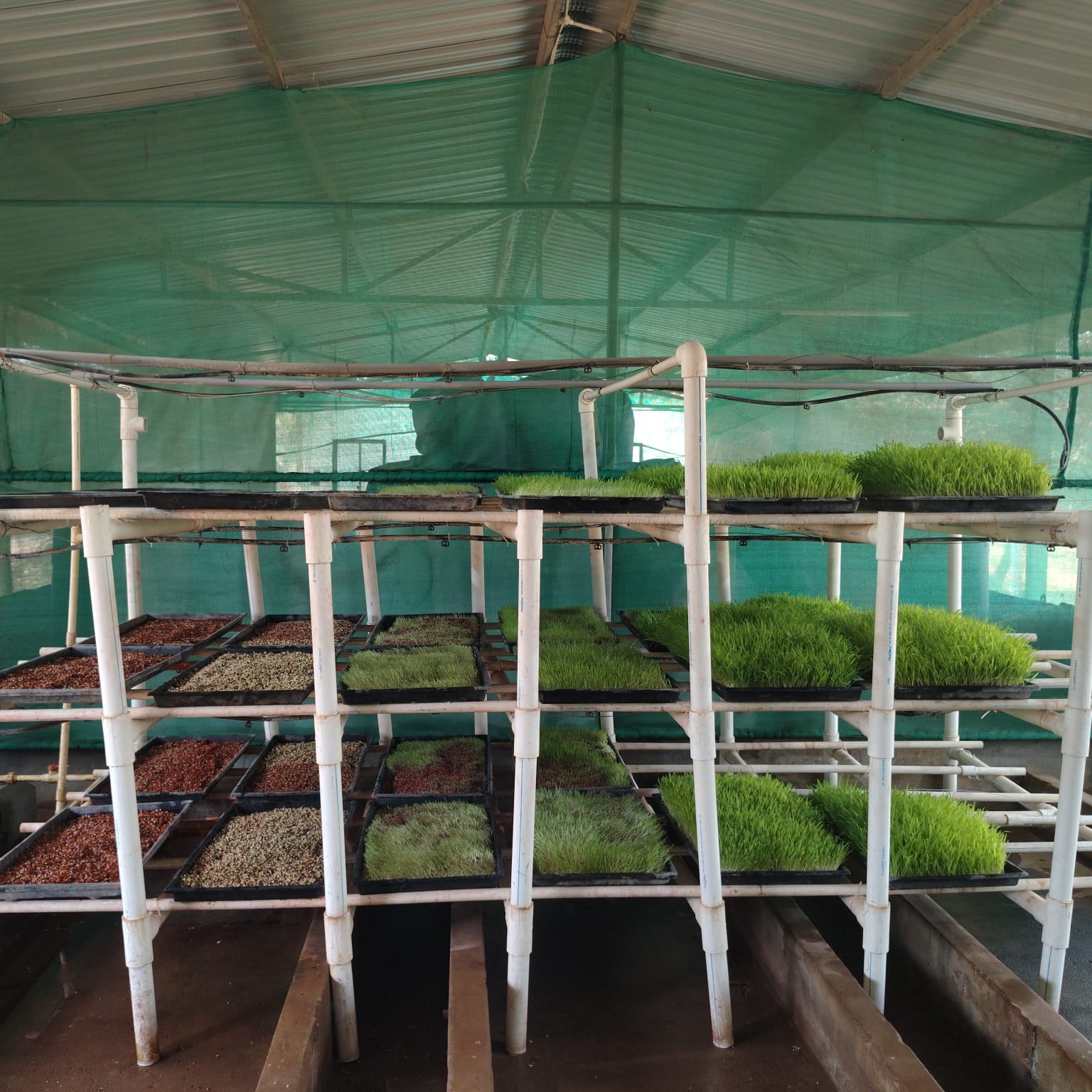
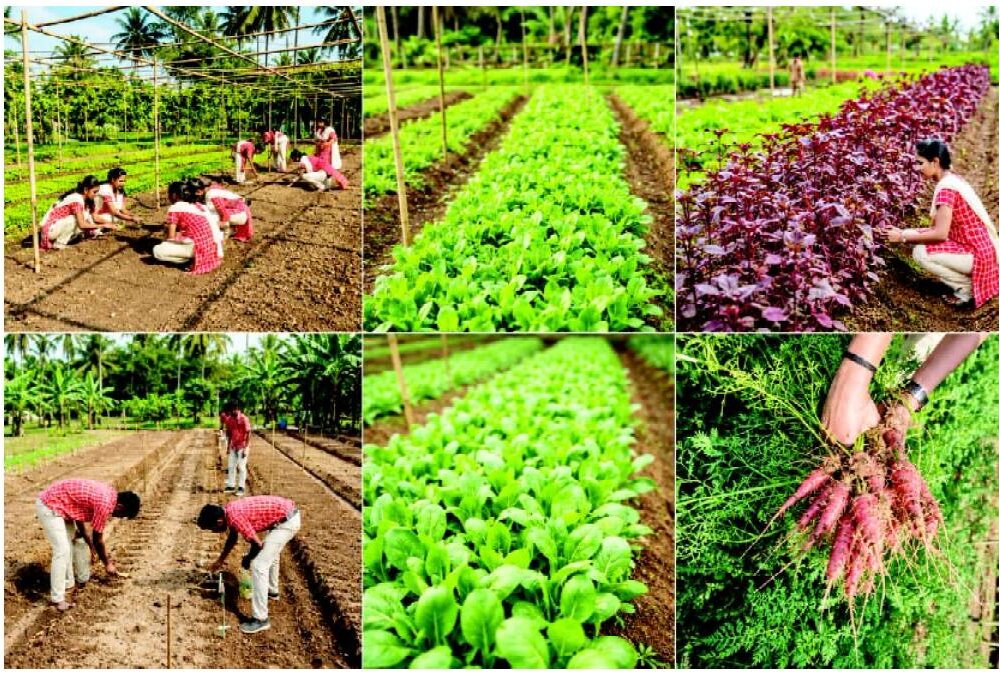
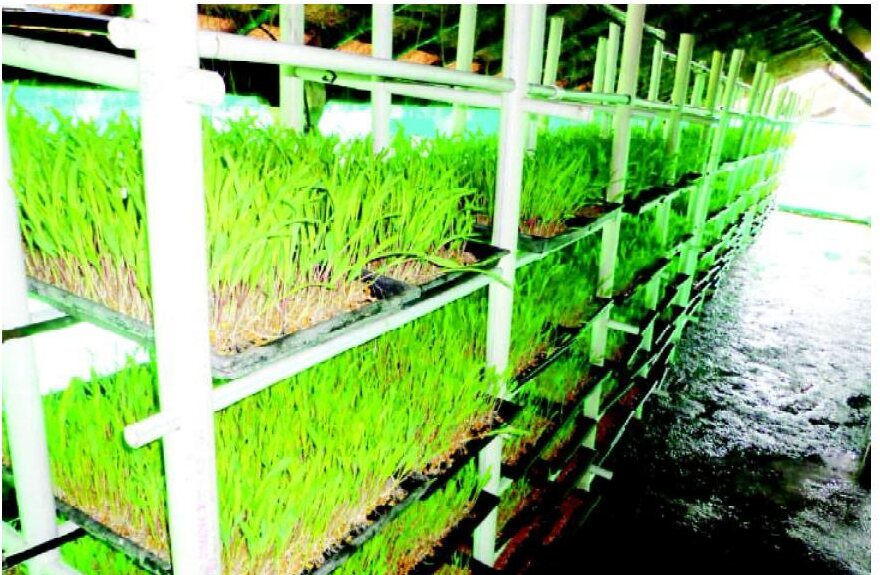
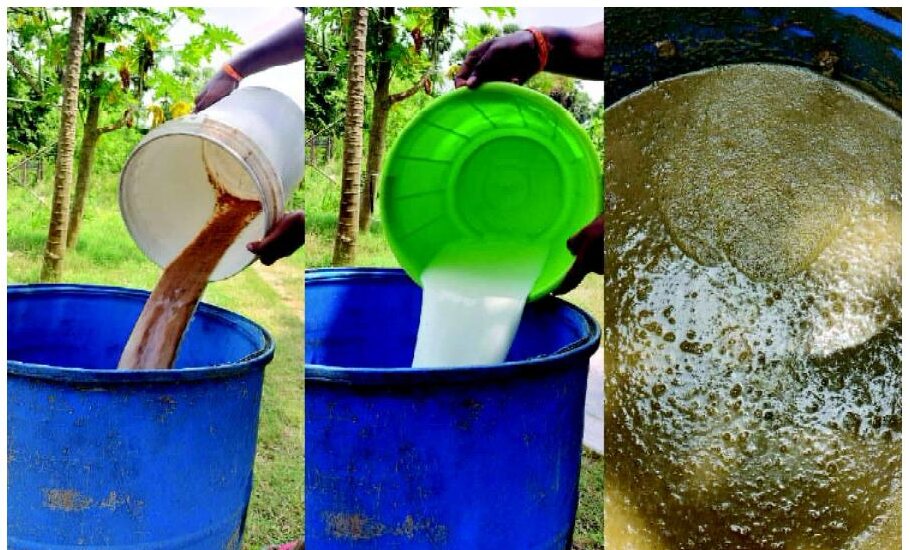
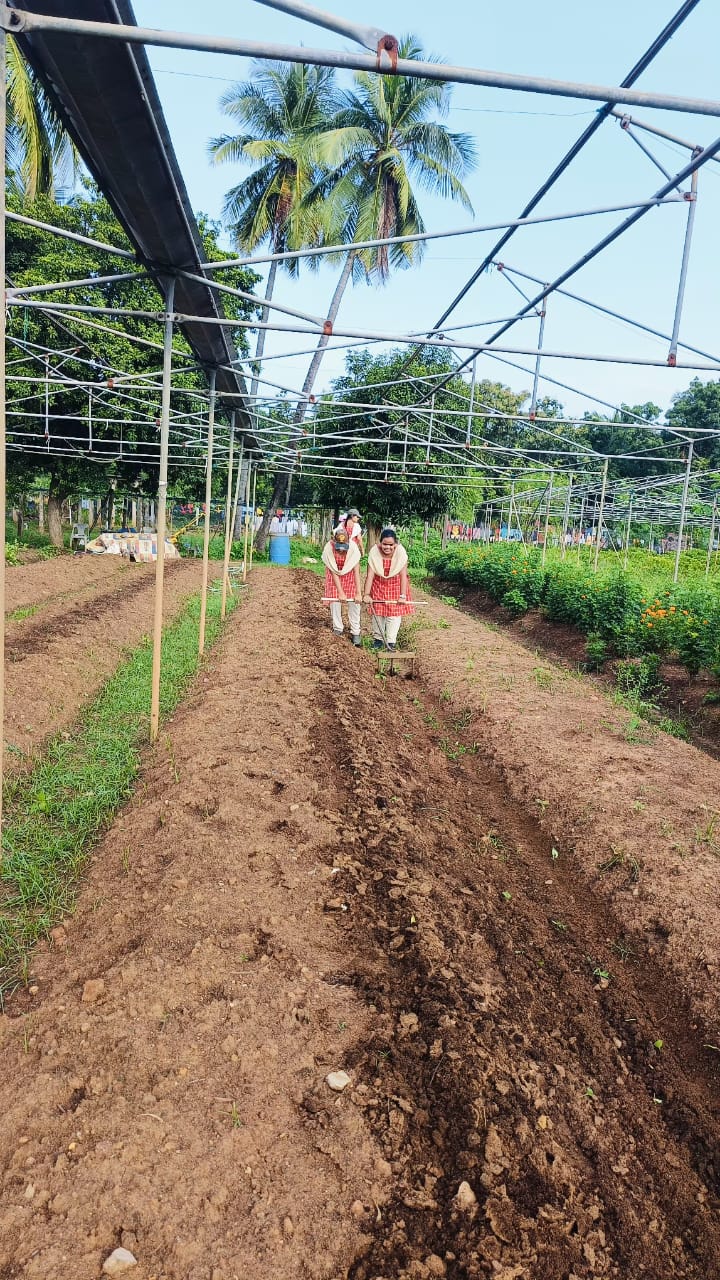
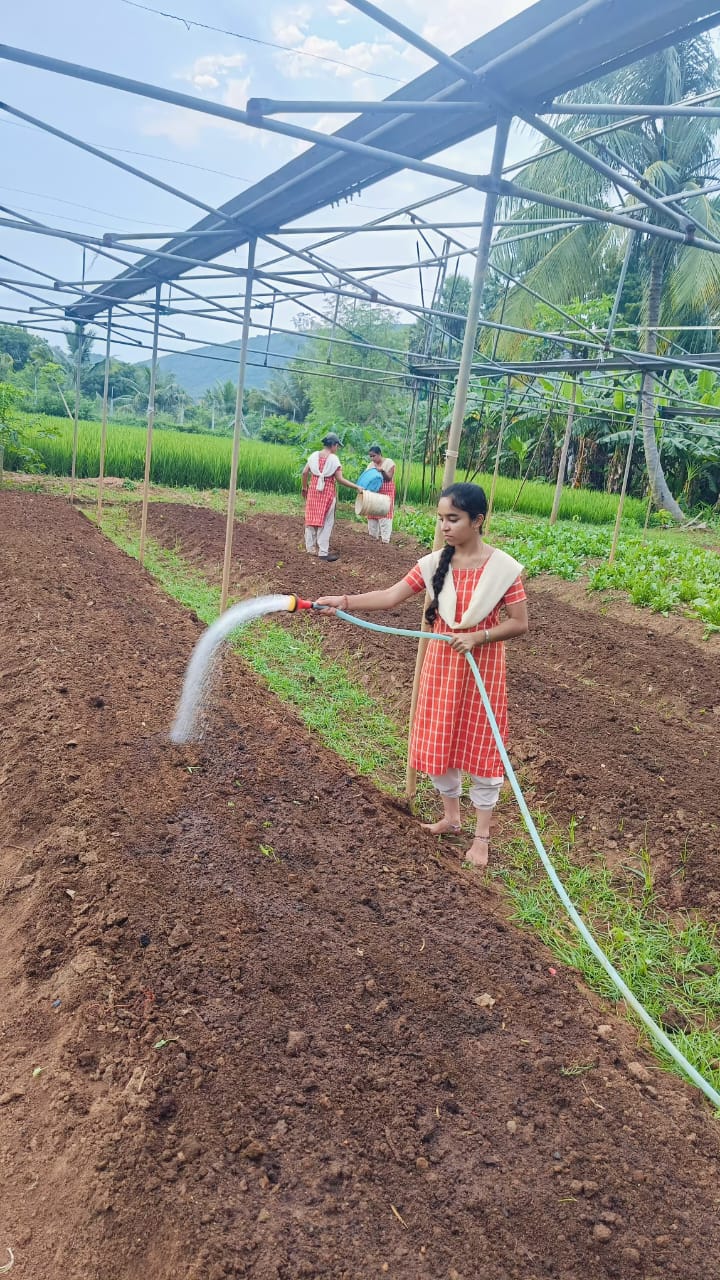
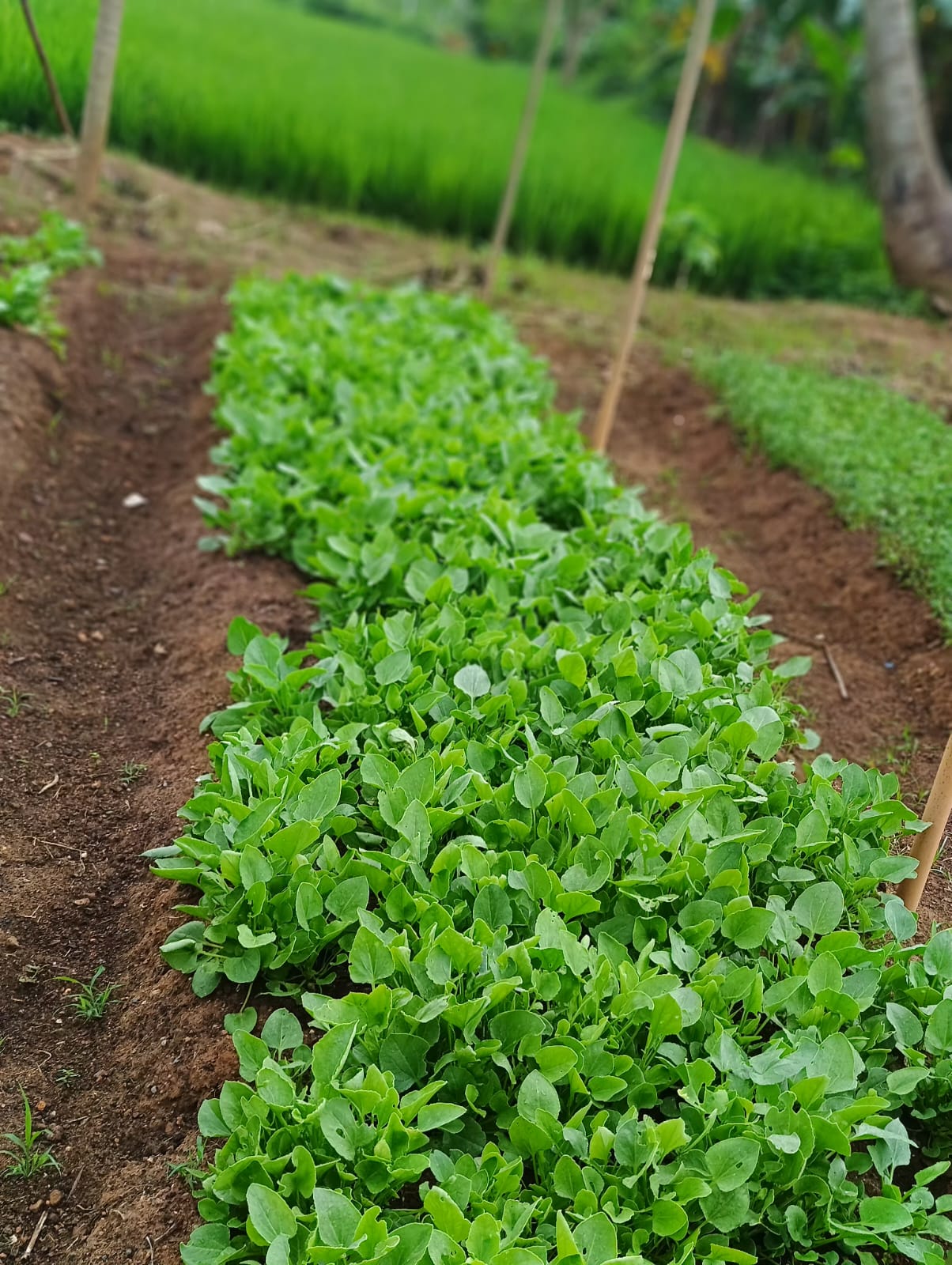
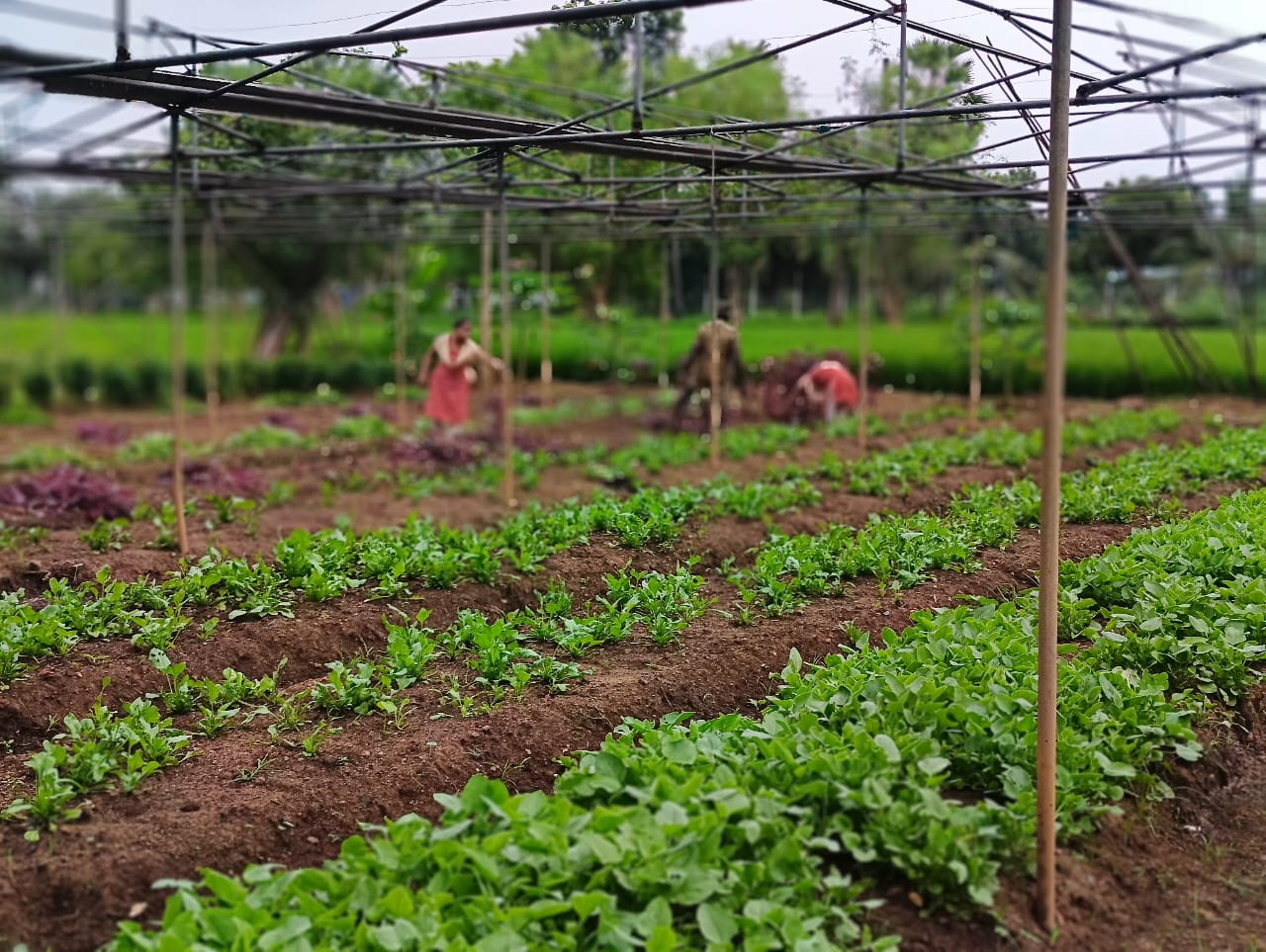
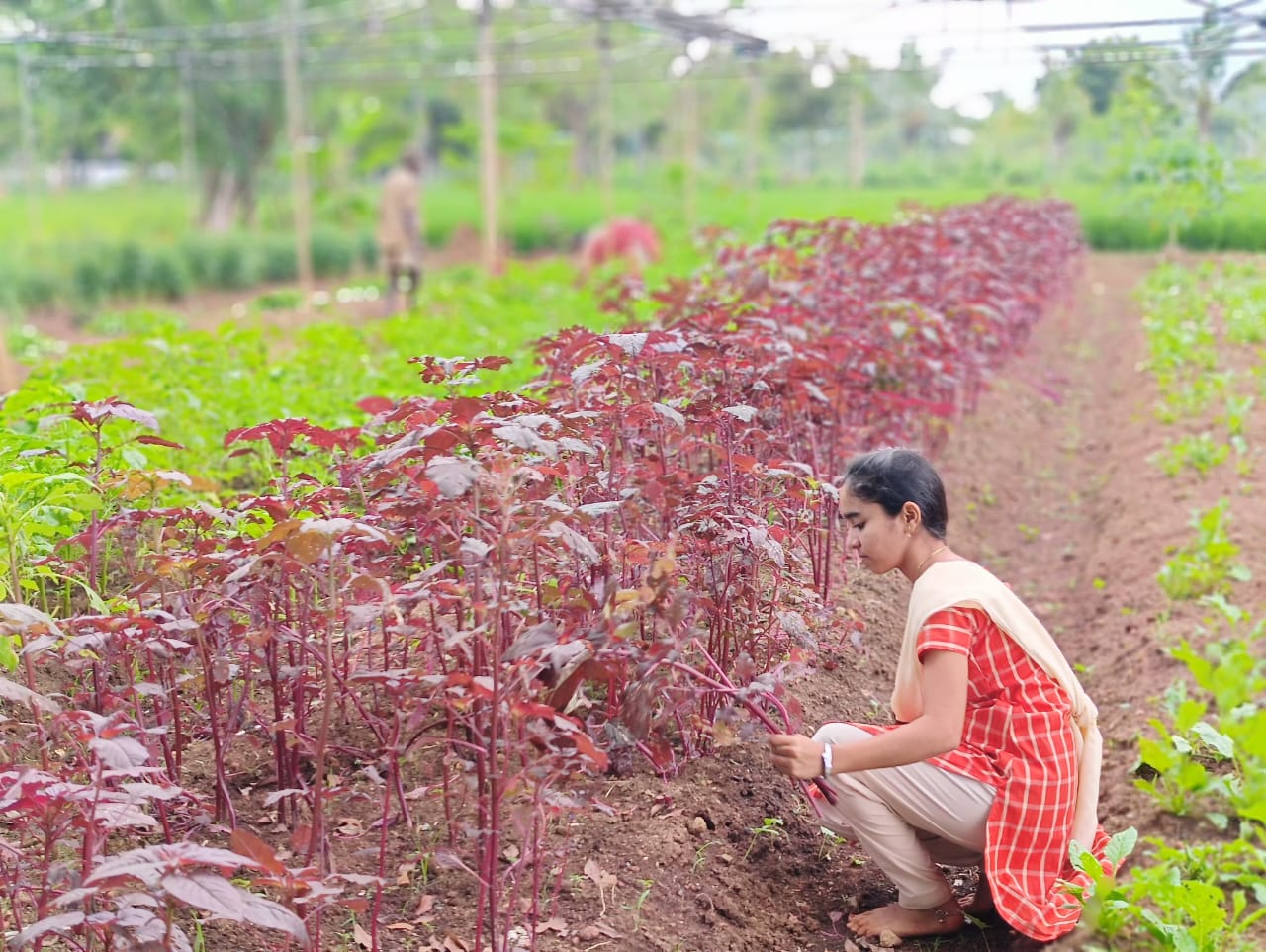
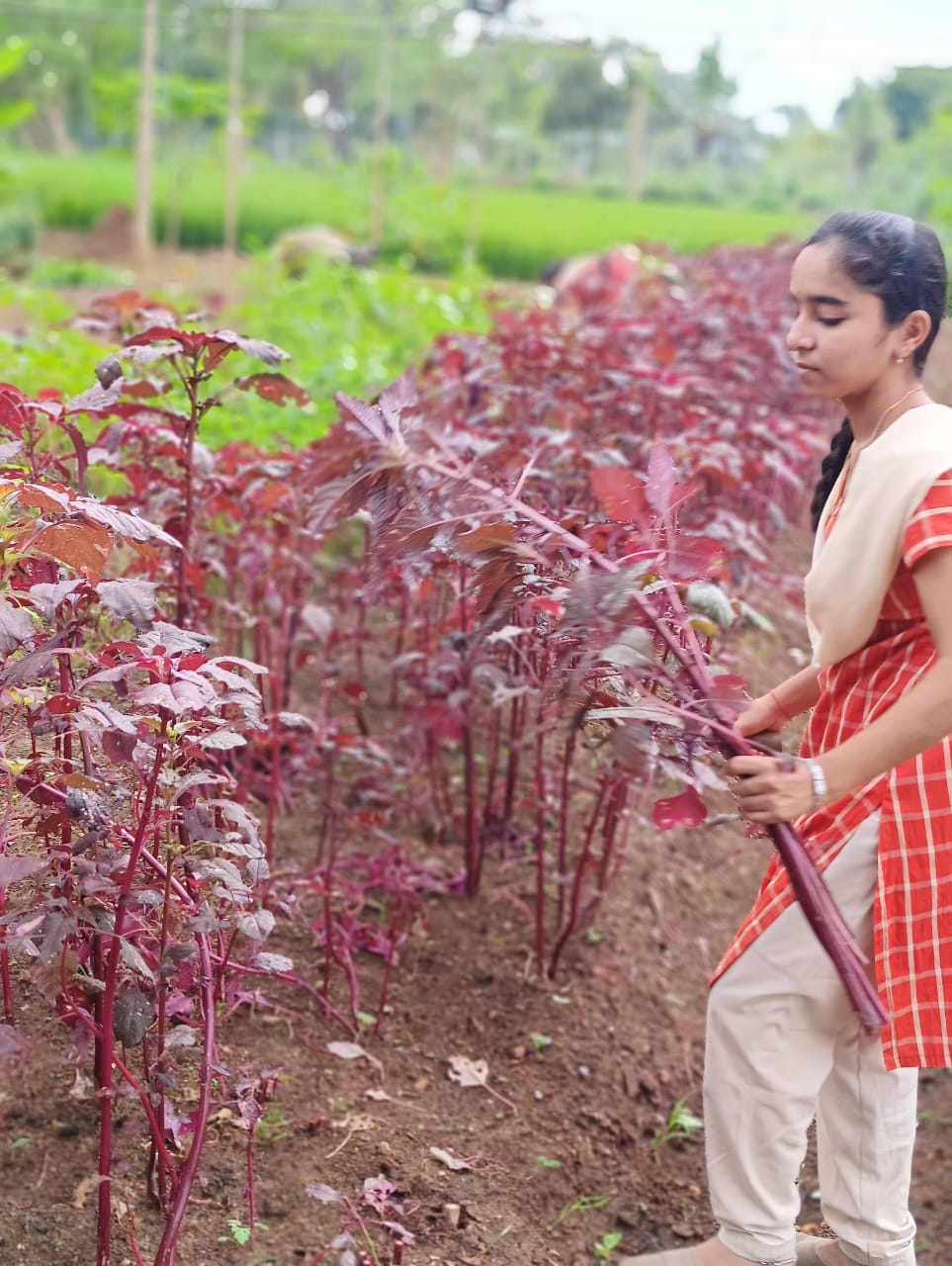
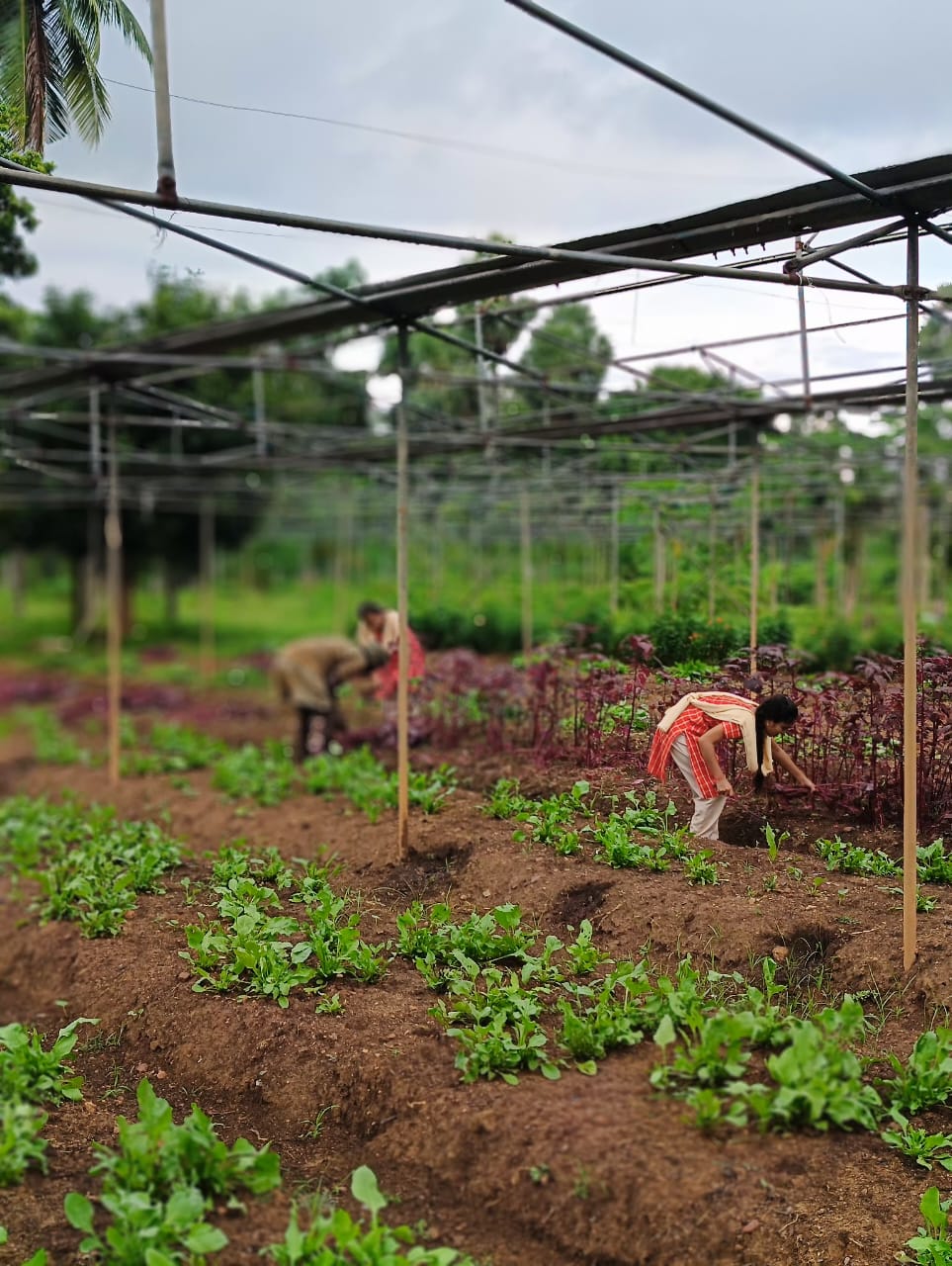
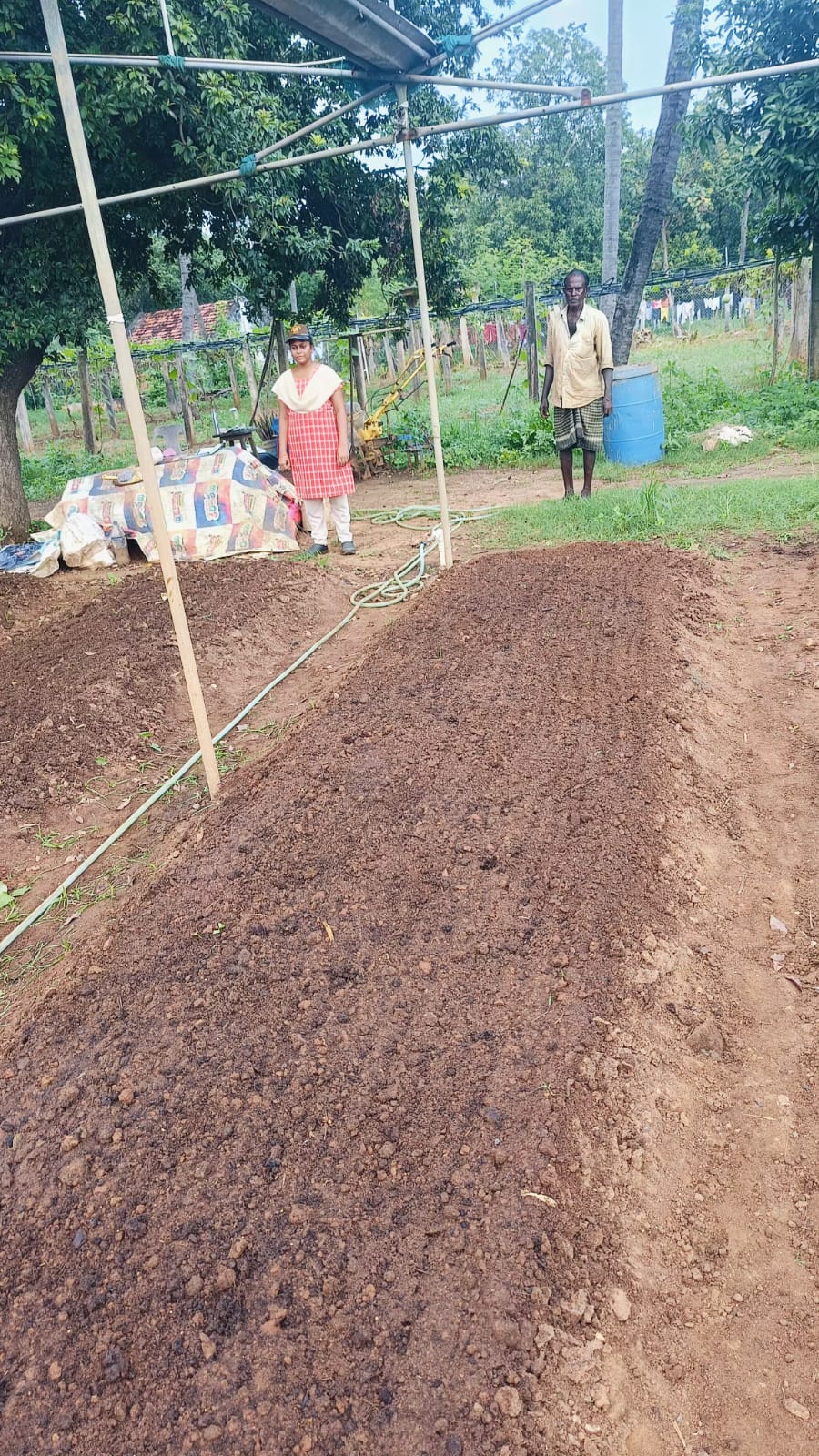
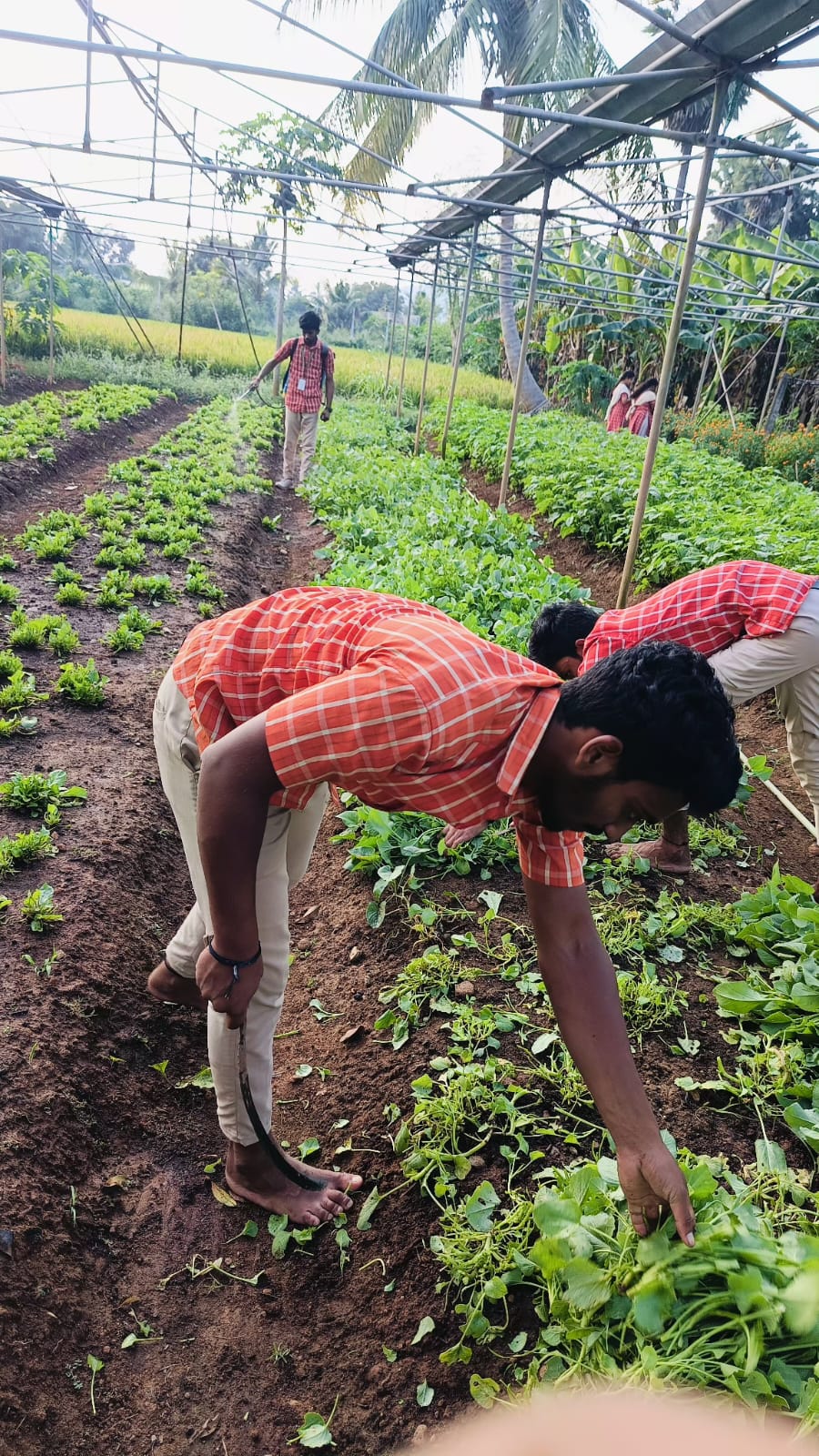
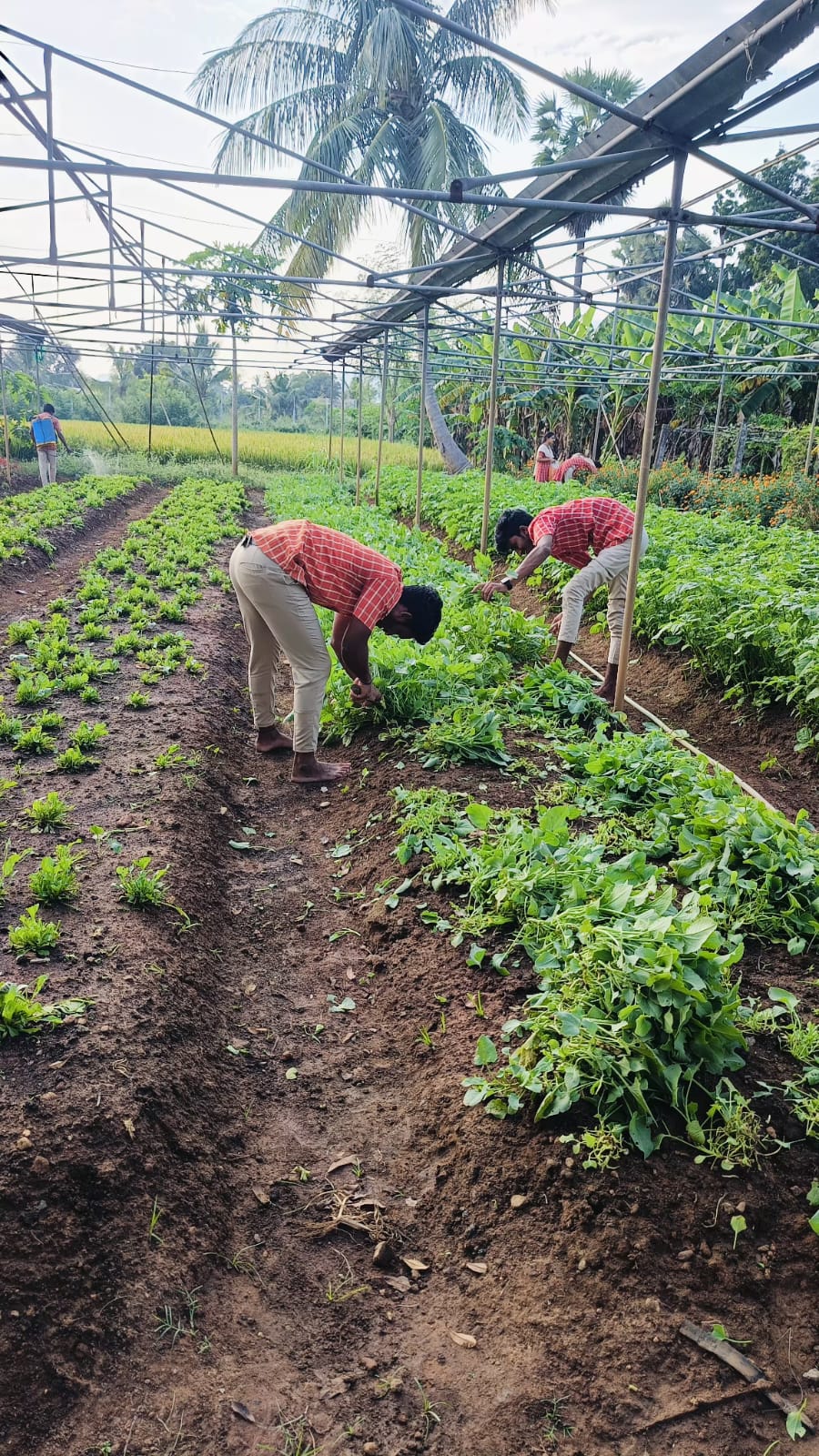
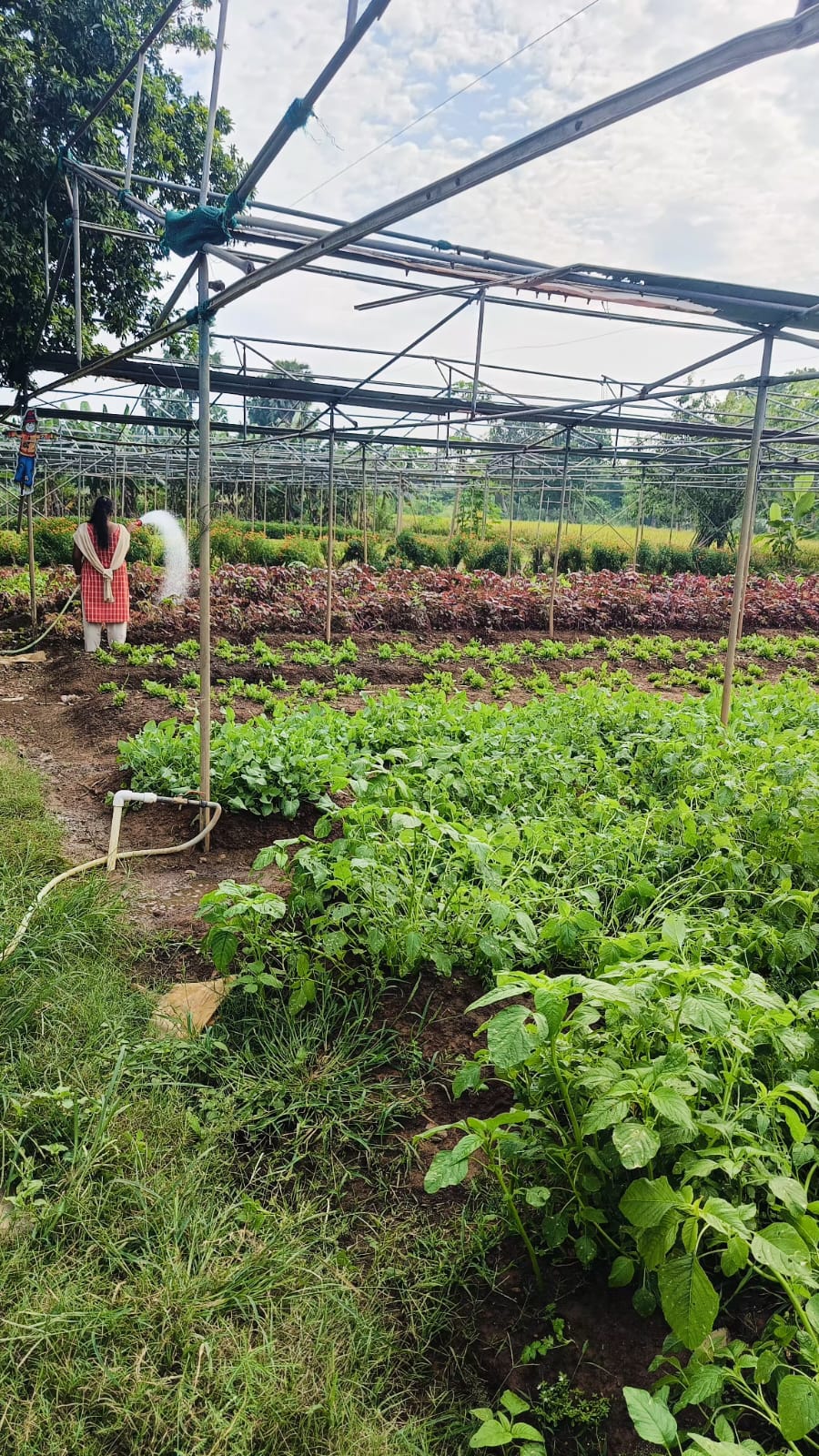
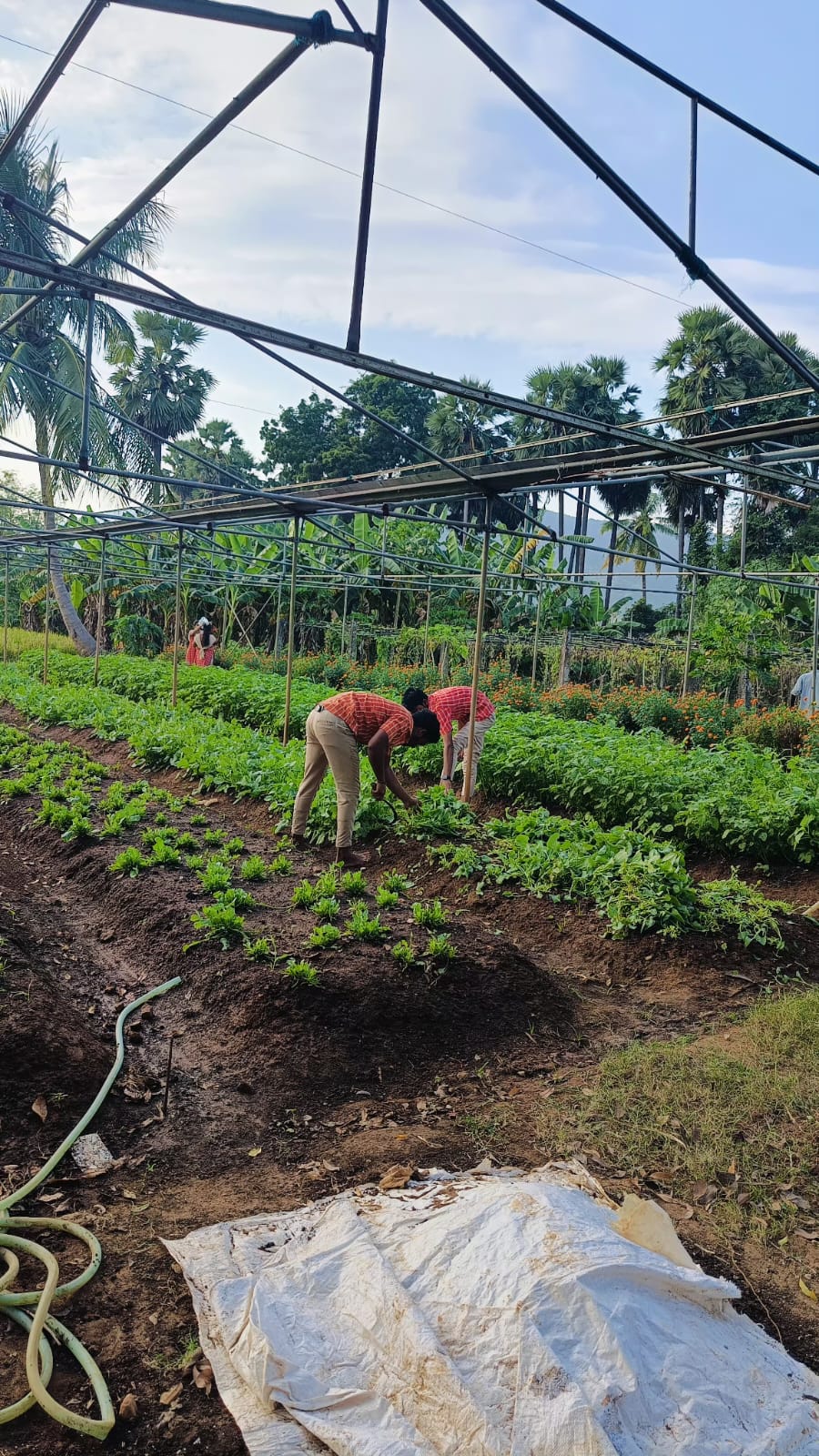
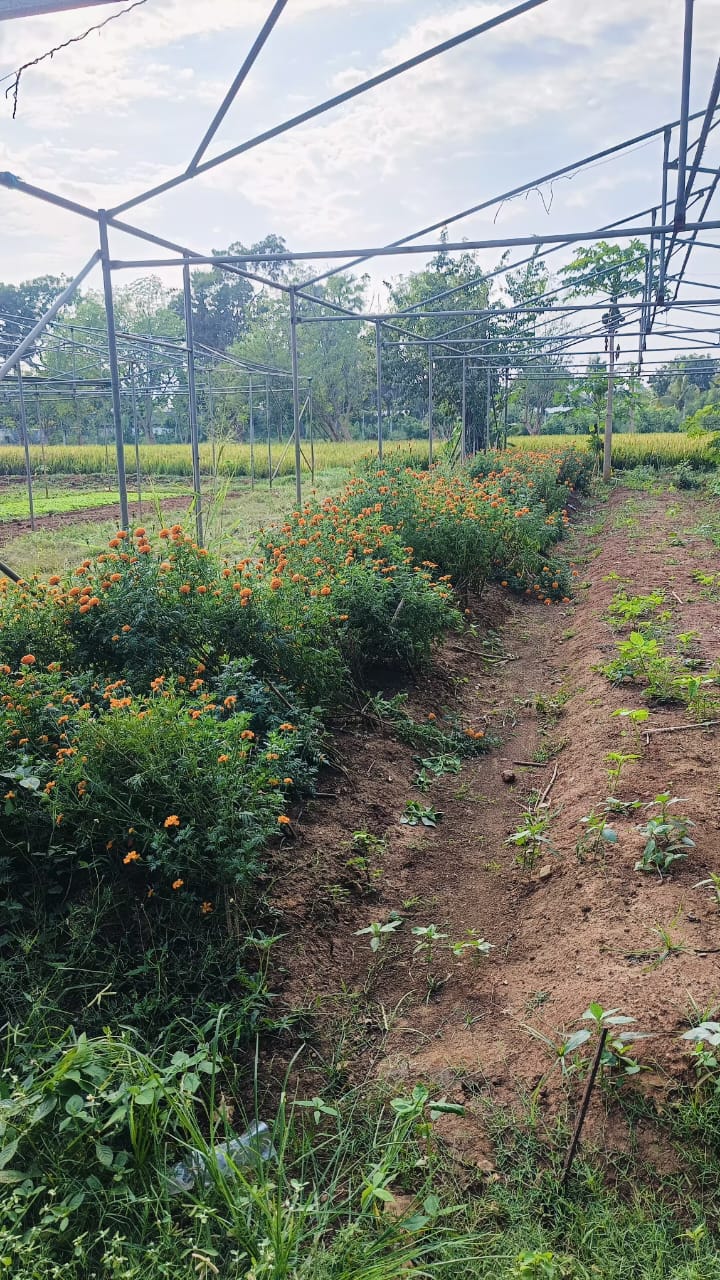
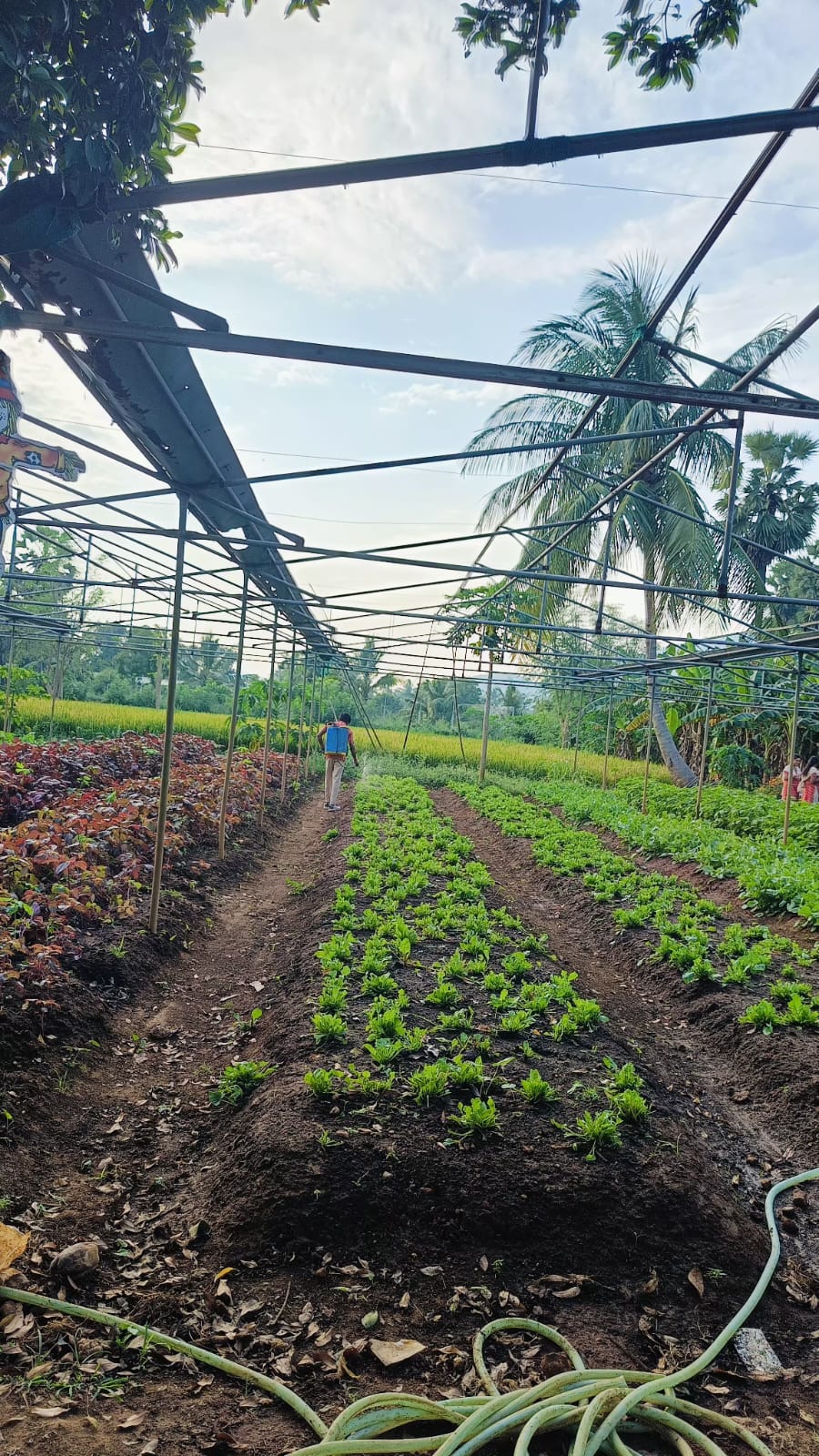
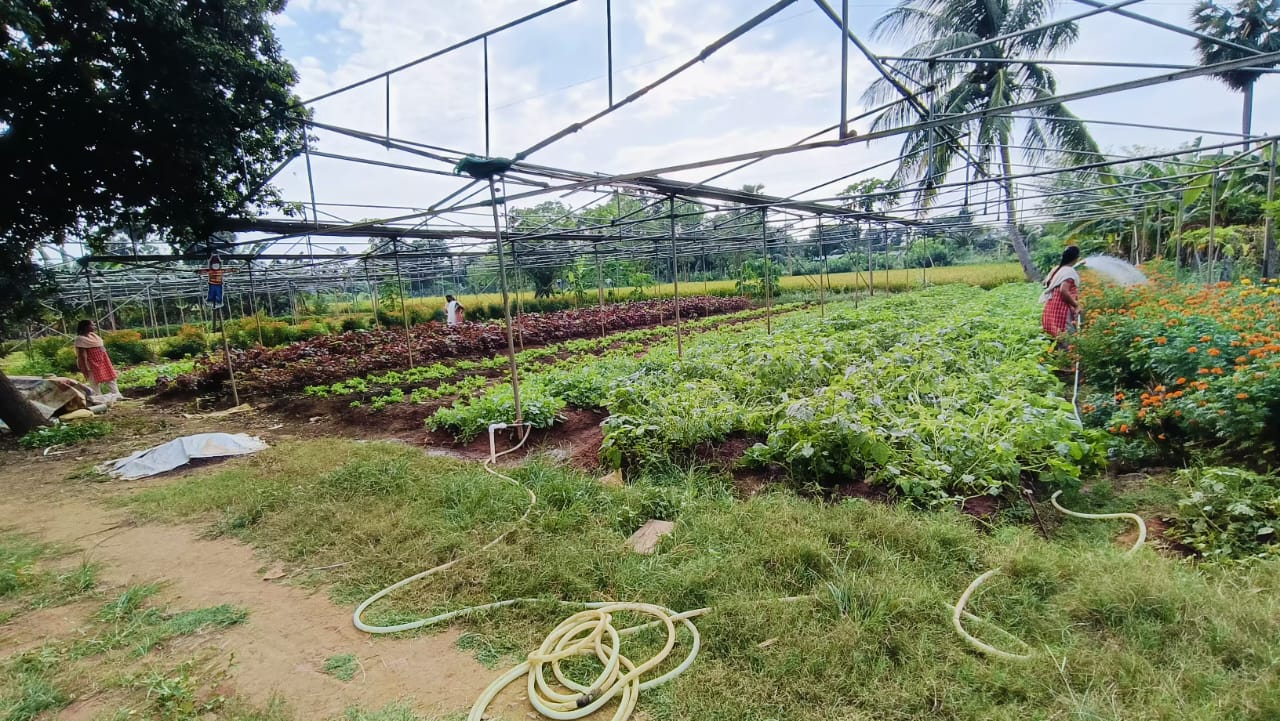
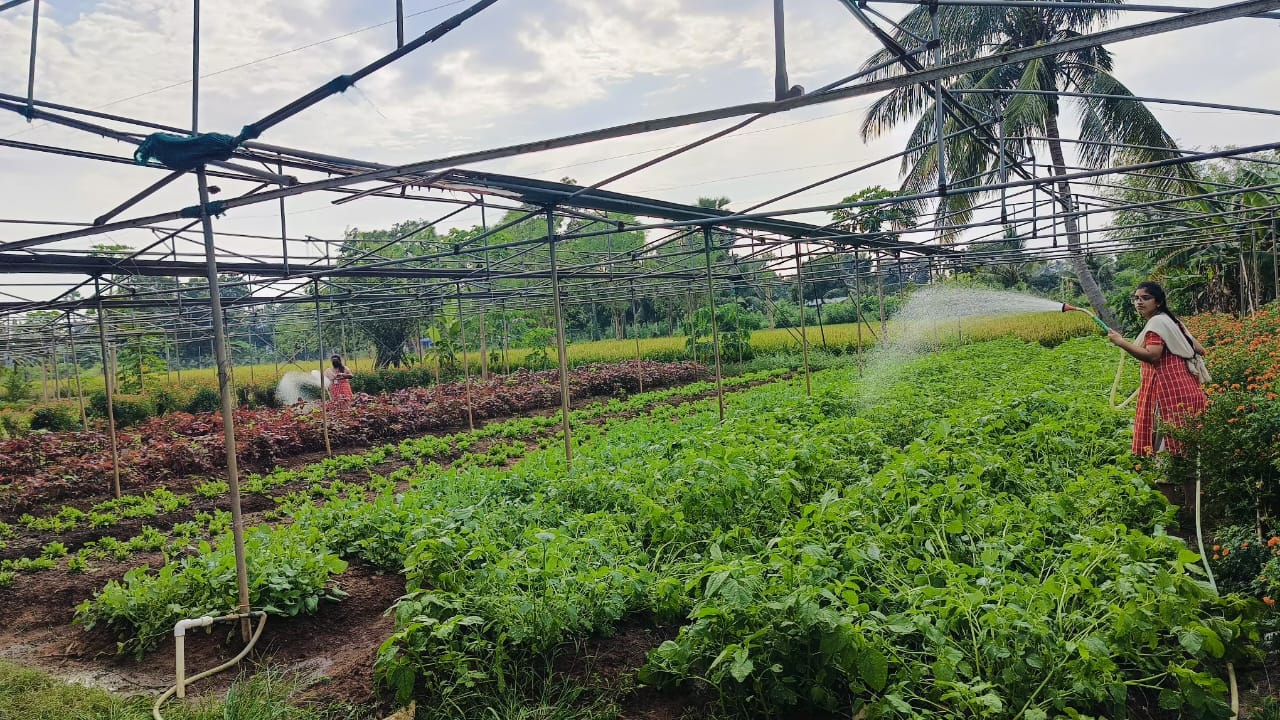
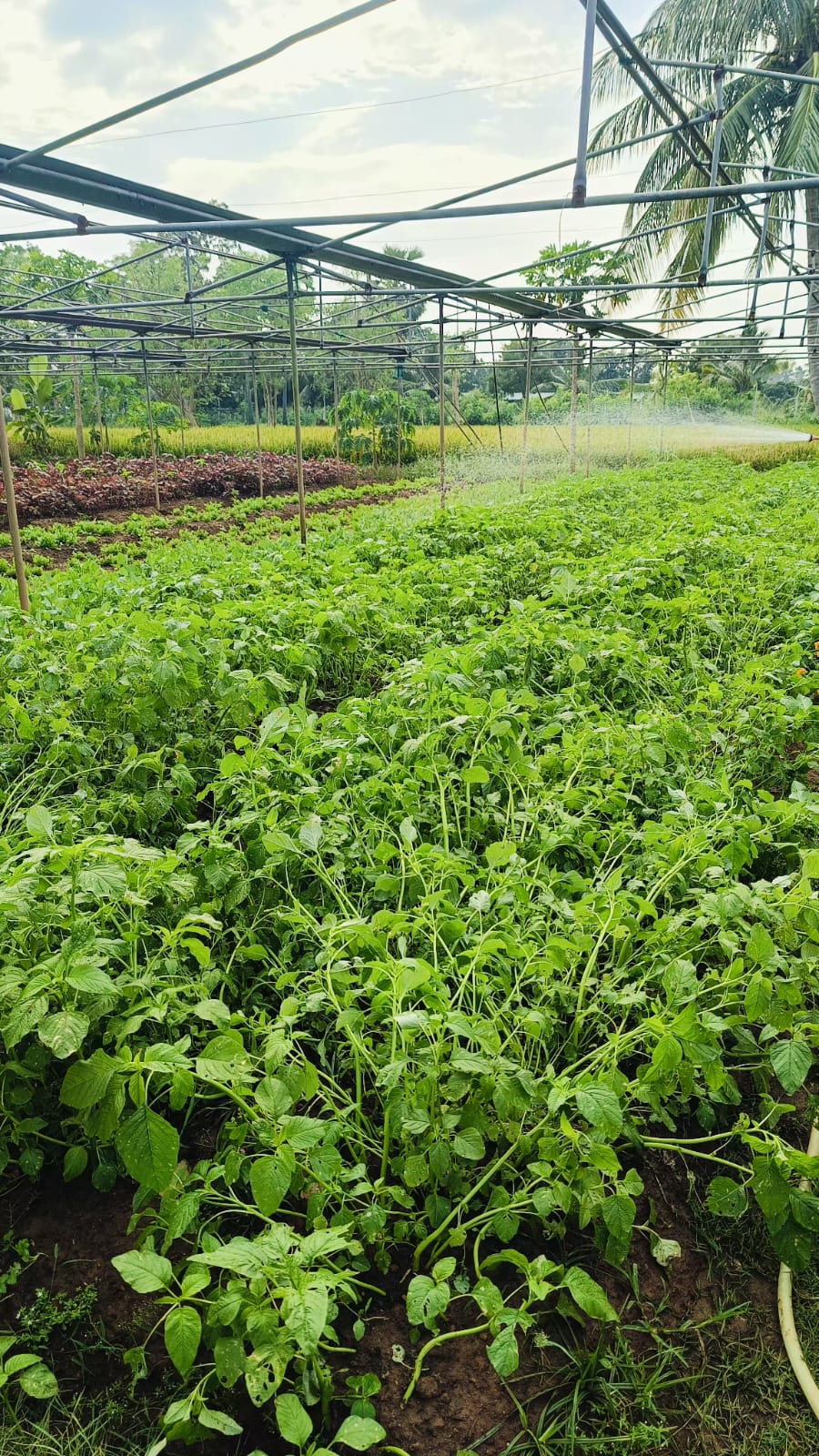
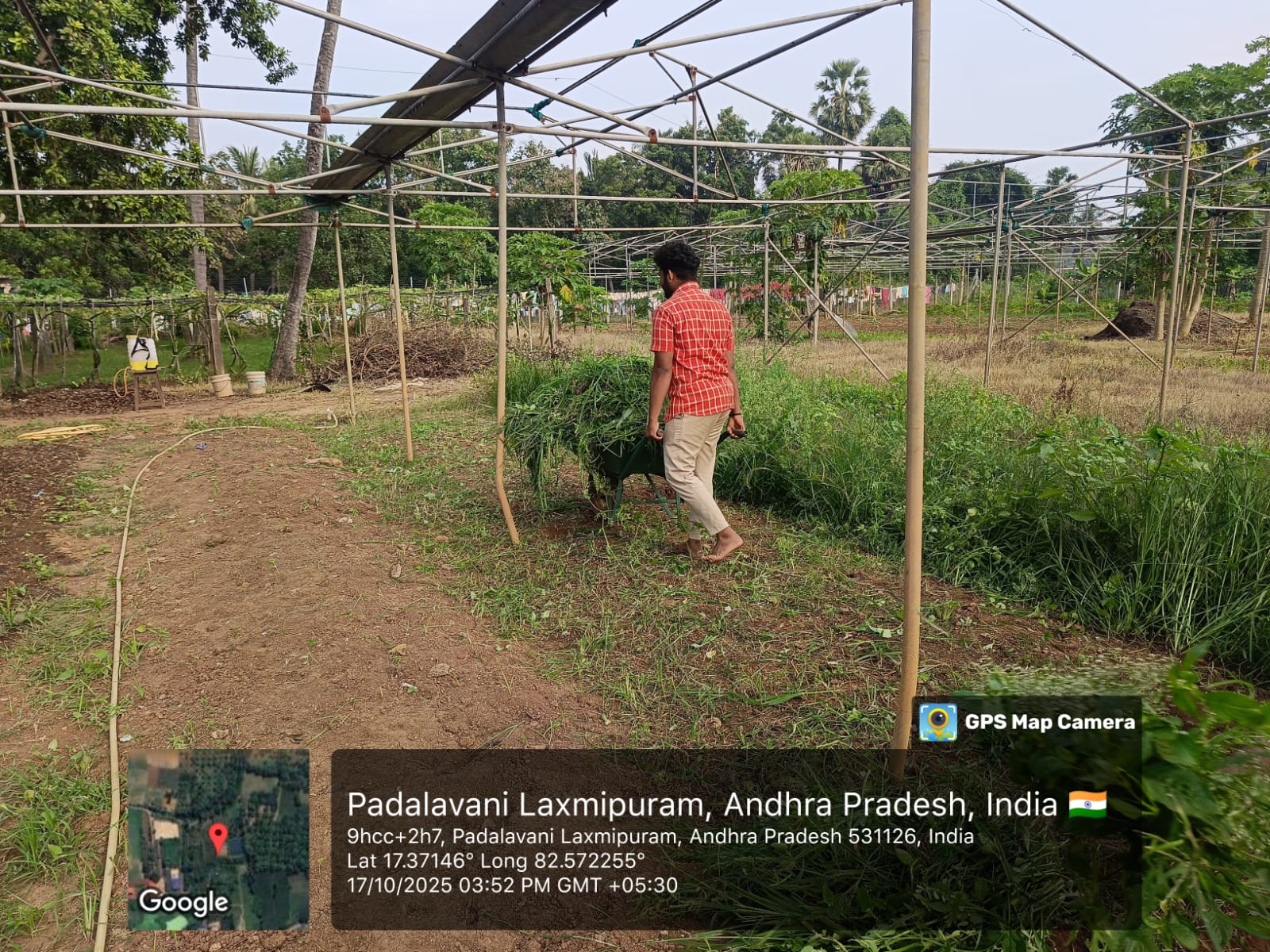
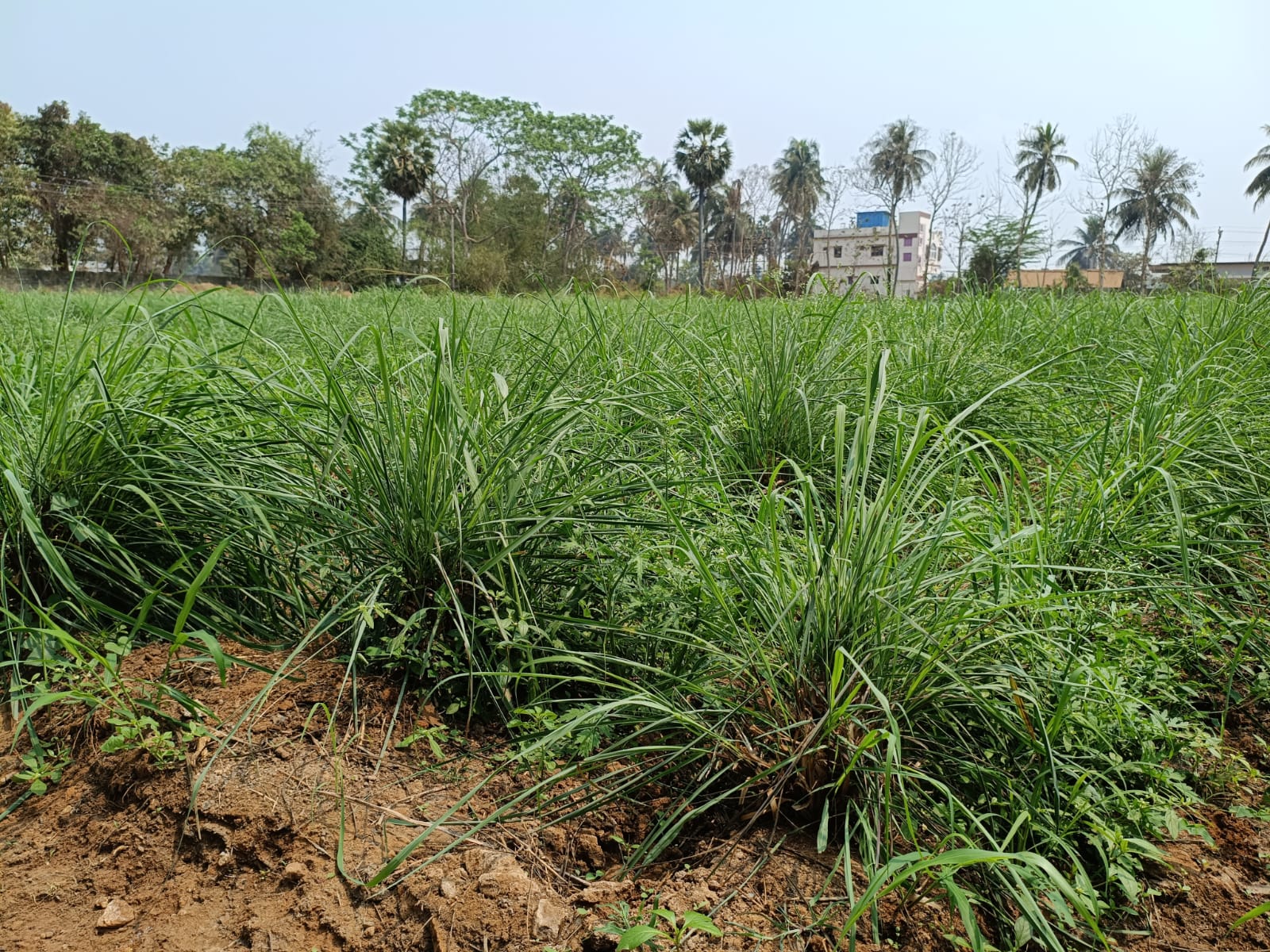
Organic farming relies on natural processes and biological inputs while avoiding synthetic chemicals and genetically modified organisms. It seeks a self-sustaining relationship among soil, plants, animals and microorganisms.
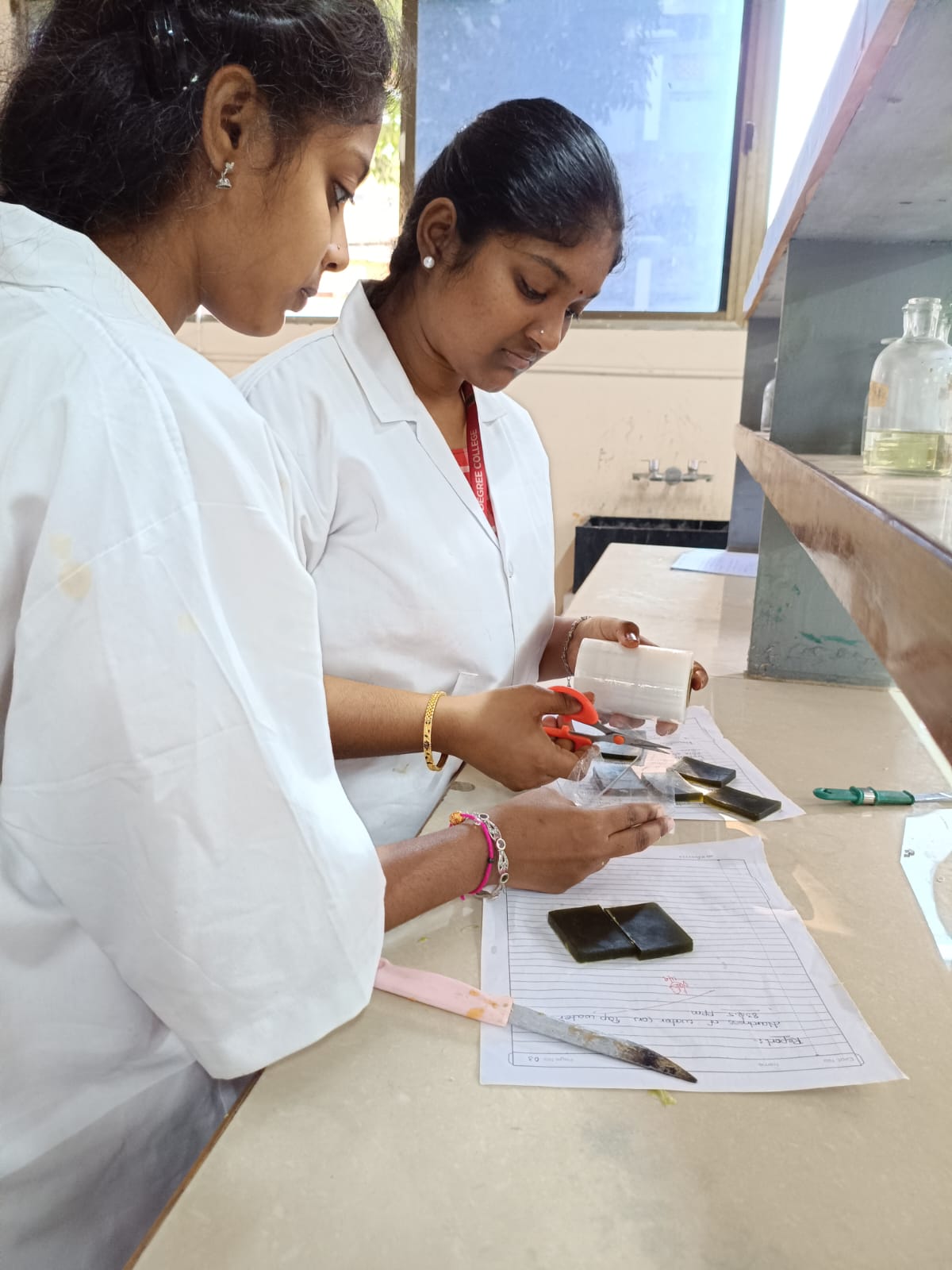
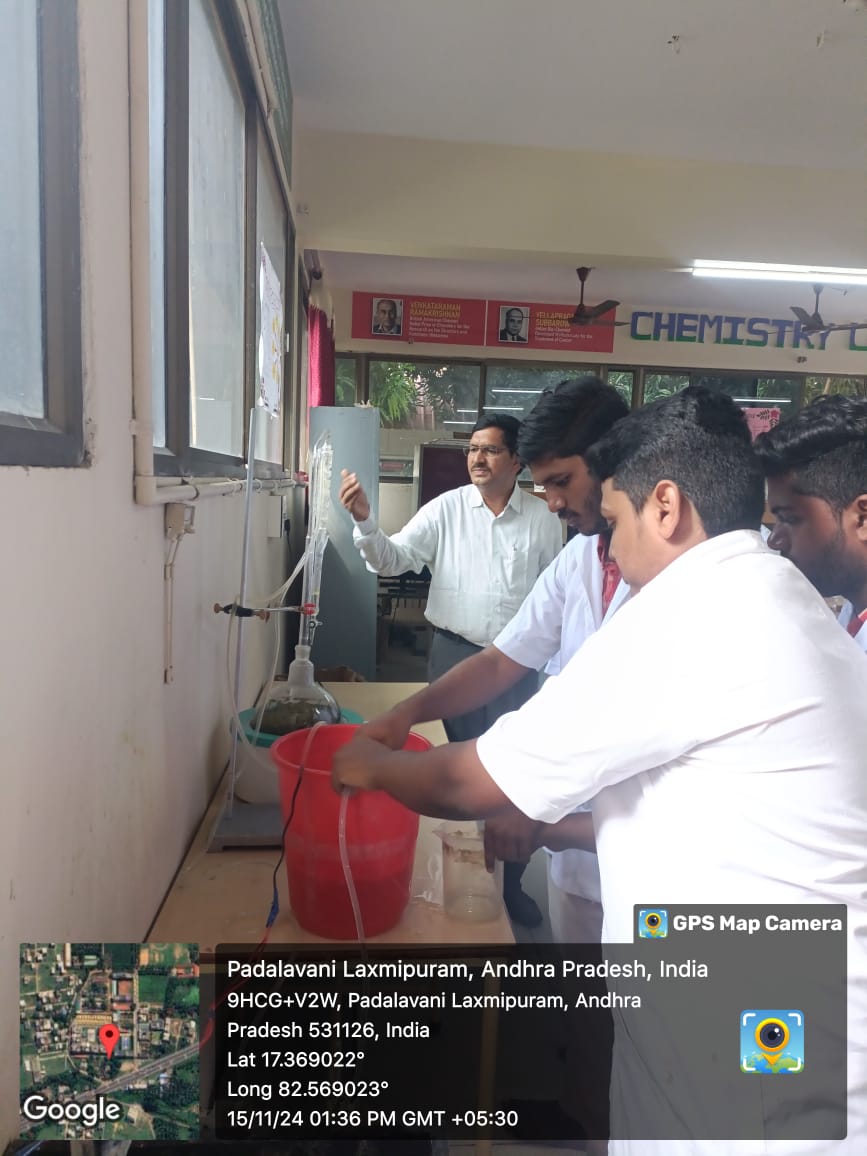
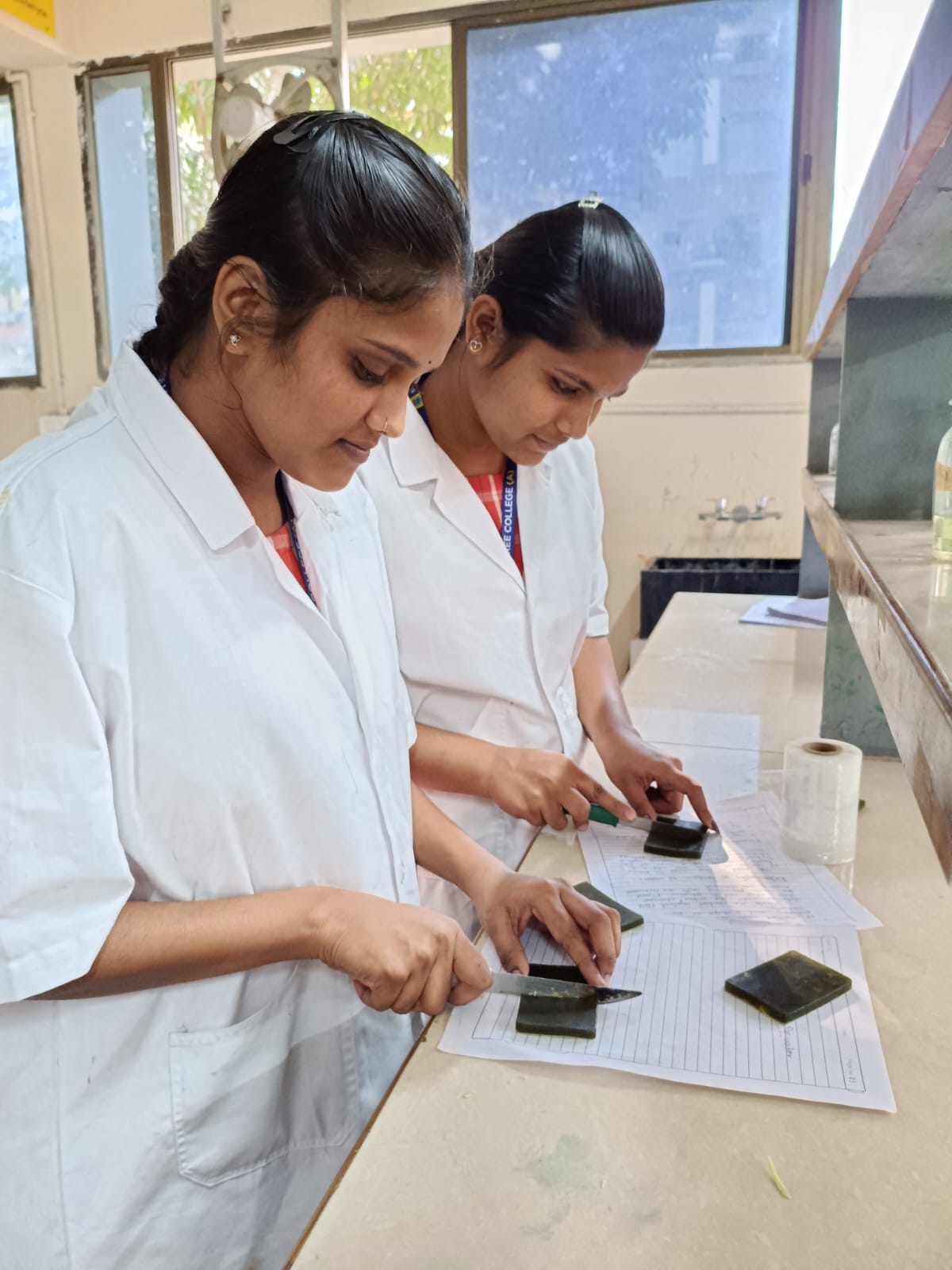

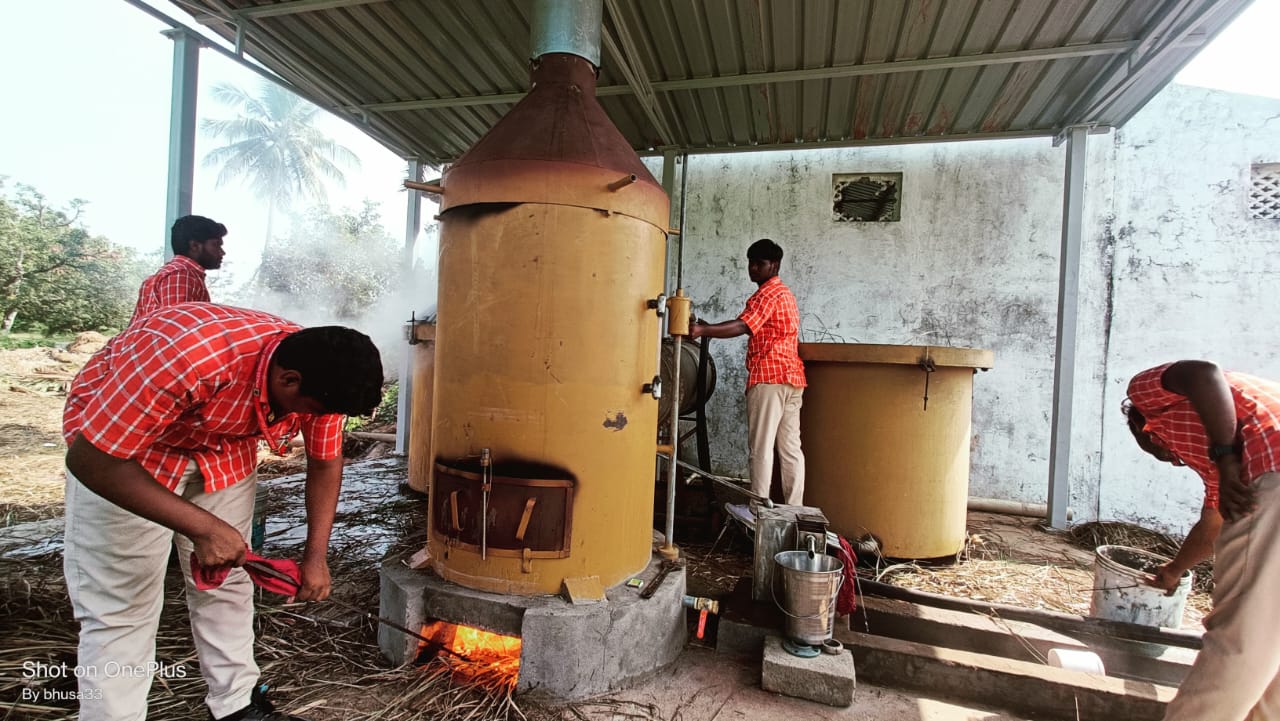
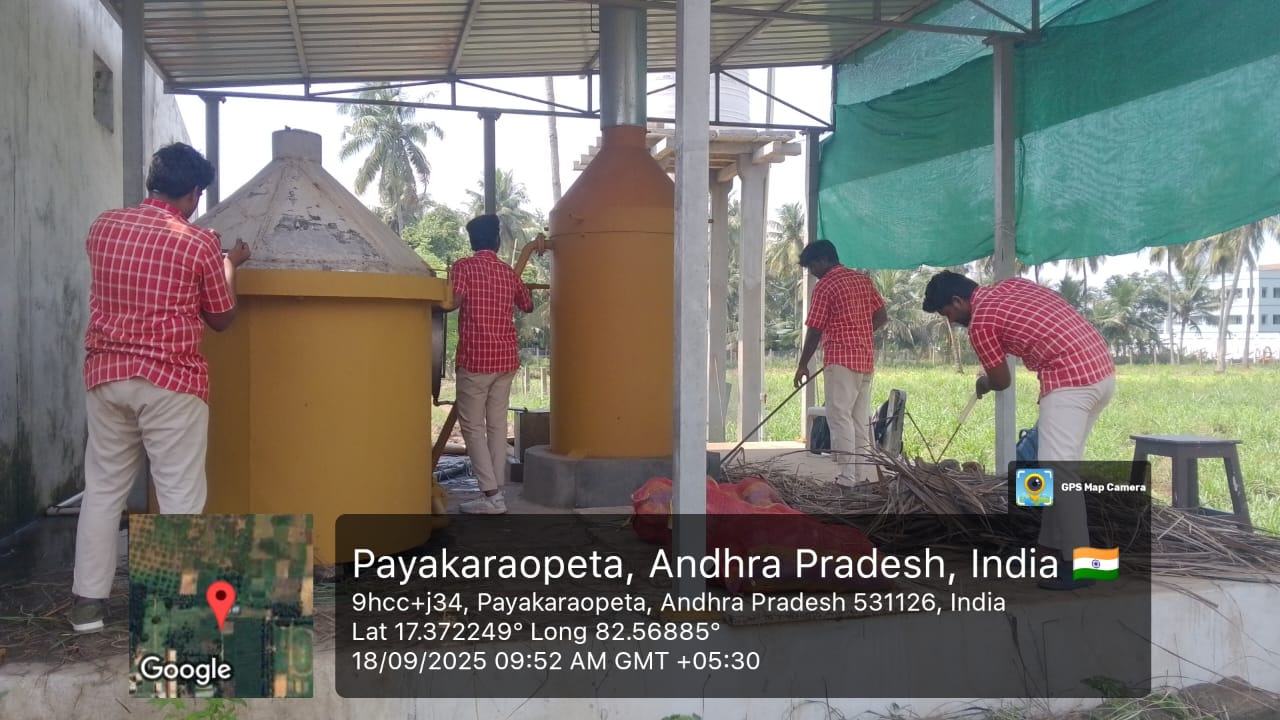
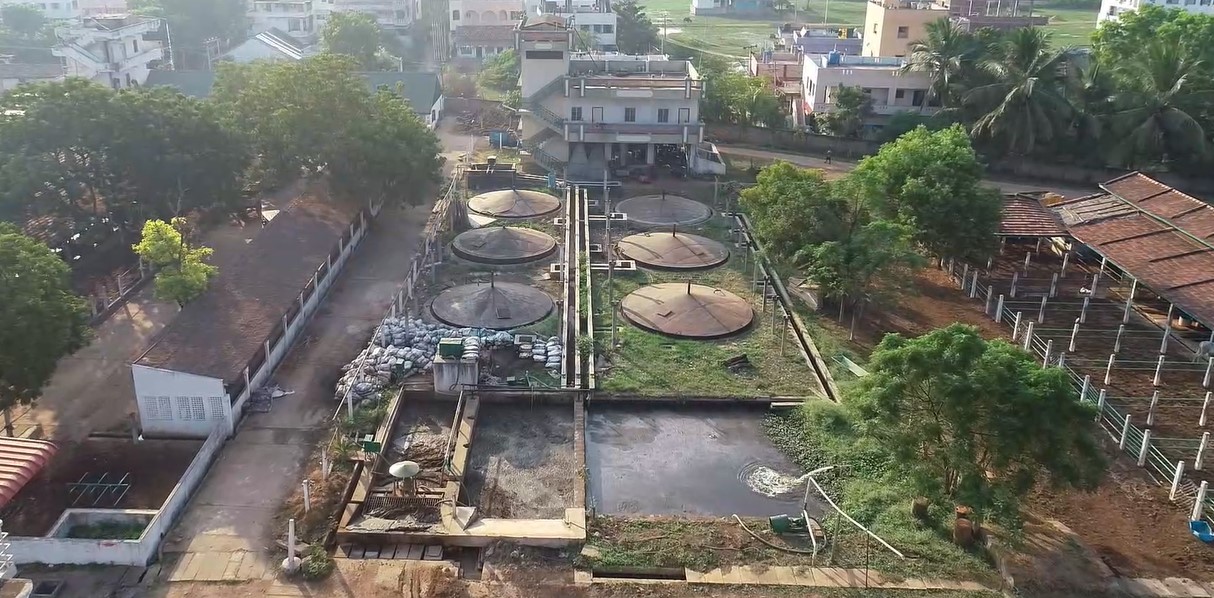
The campus biogas plant, established in 2008, has six 85 m³ digesters with a combined capacity of 510 m³. Cattle dung and other suitable biomass are converted into gas used for student-mess cooking and limited electricity generation, while research explores higher yield, purification and compressed-biogas applications.
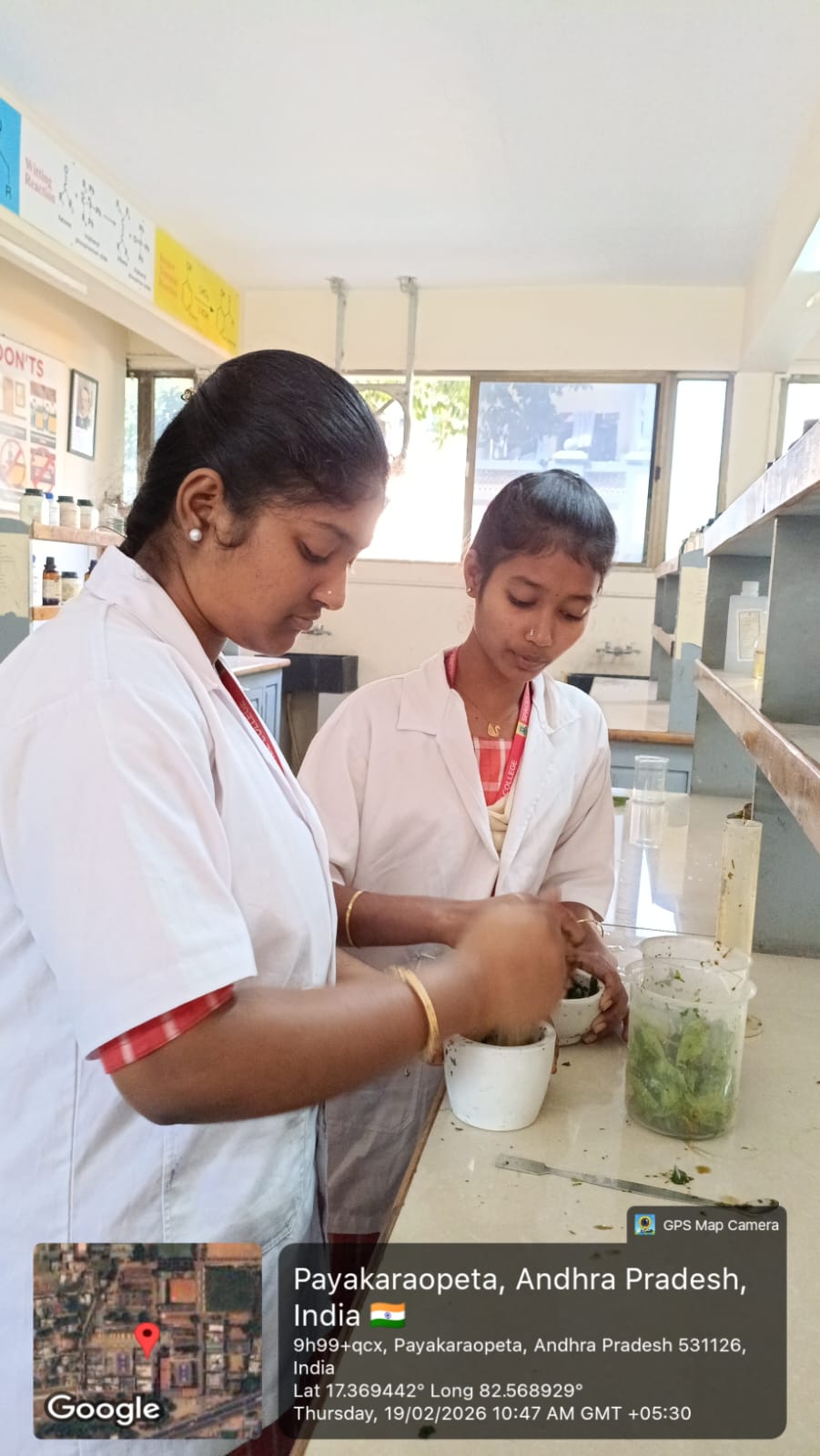
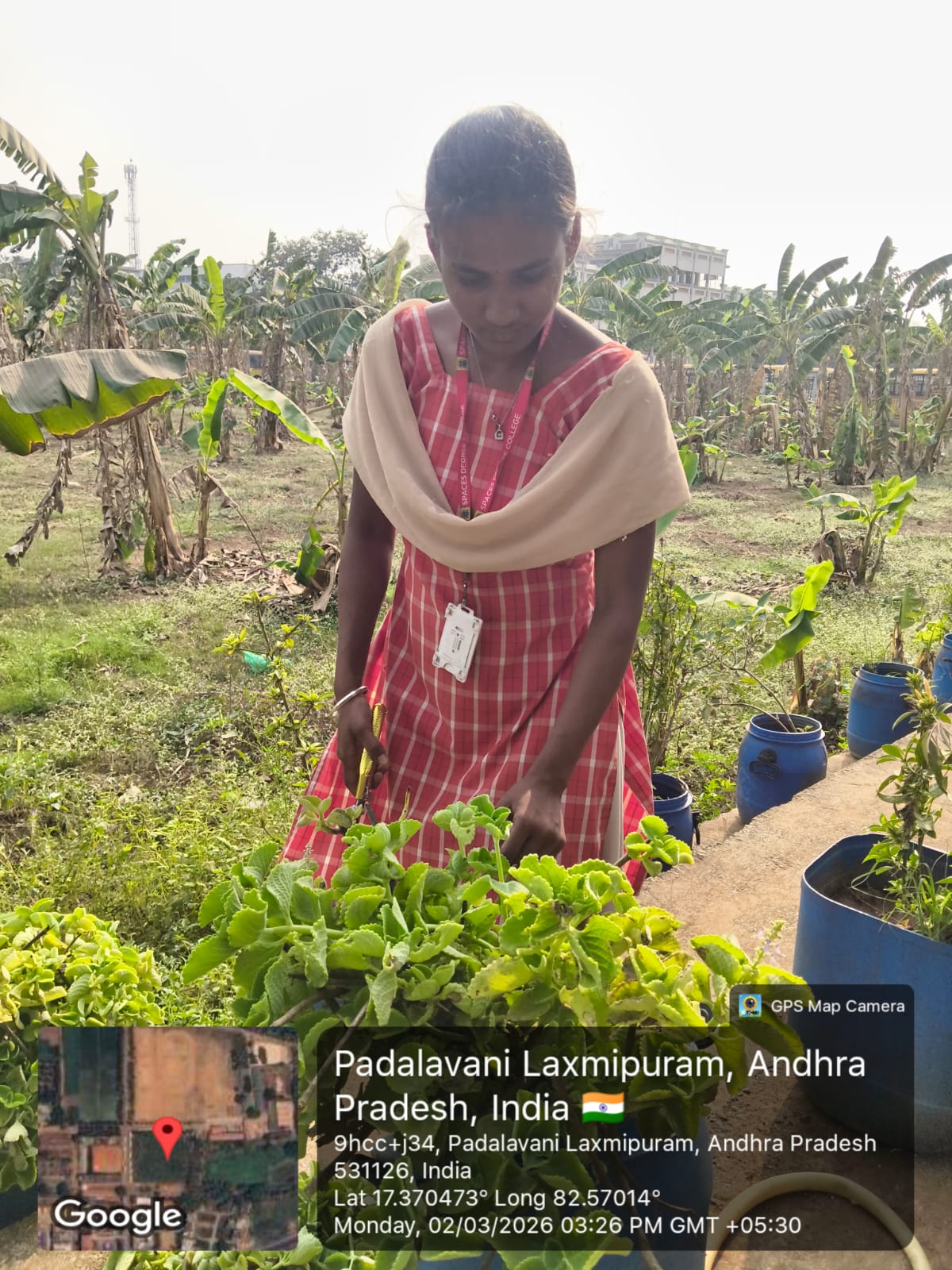
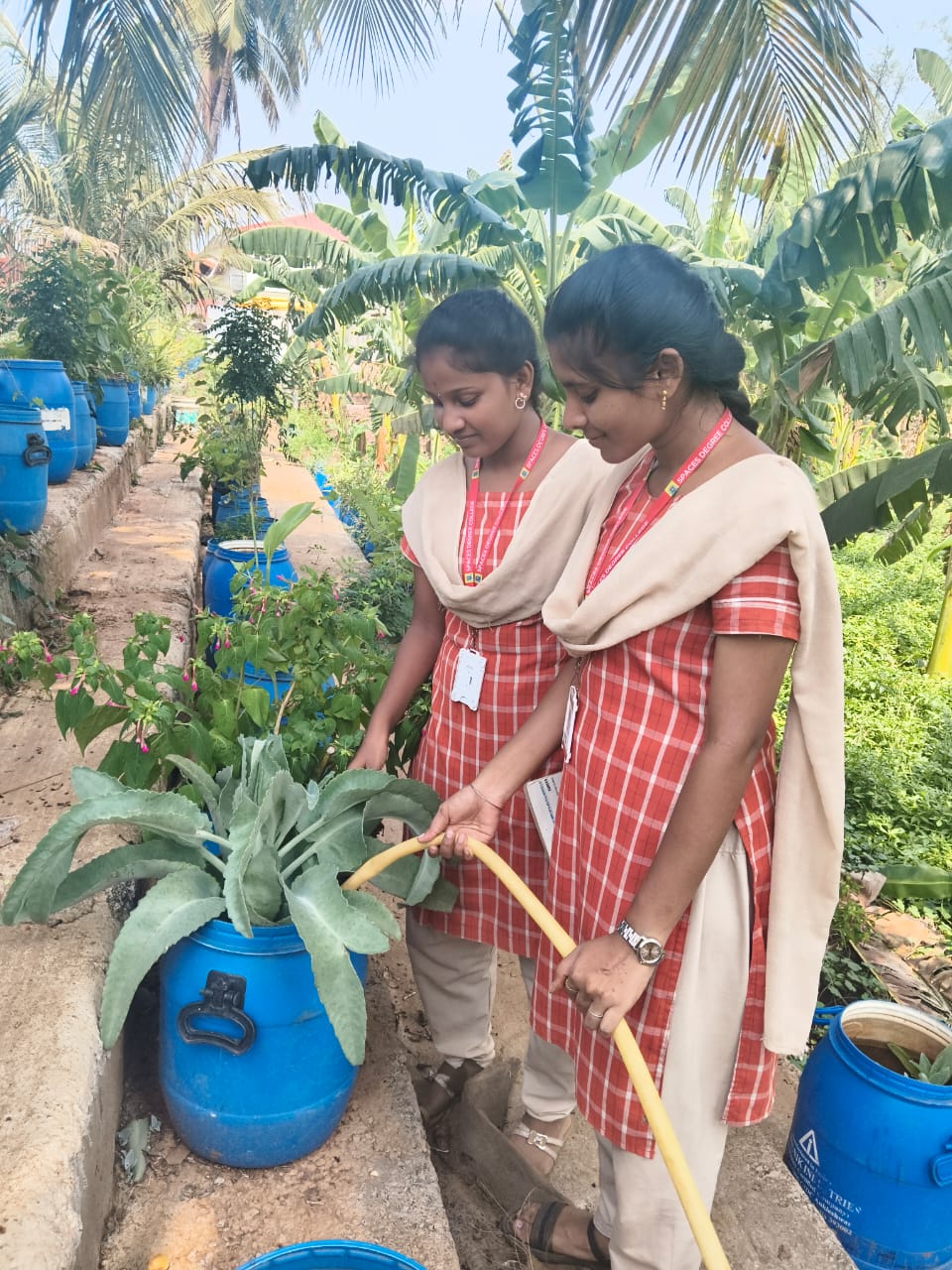
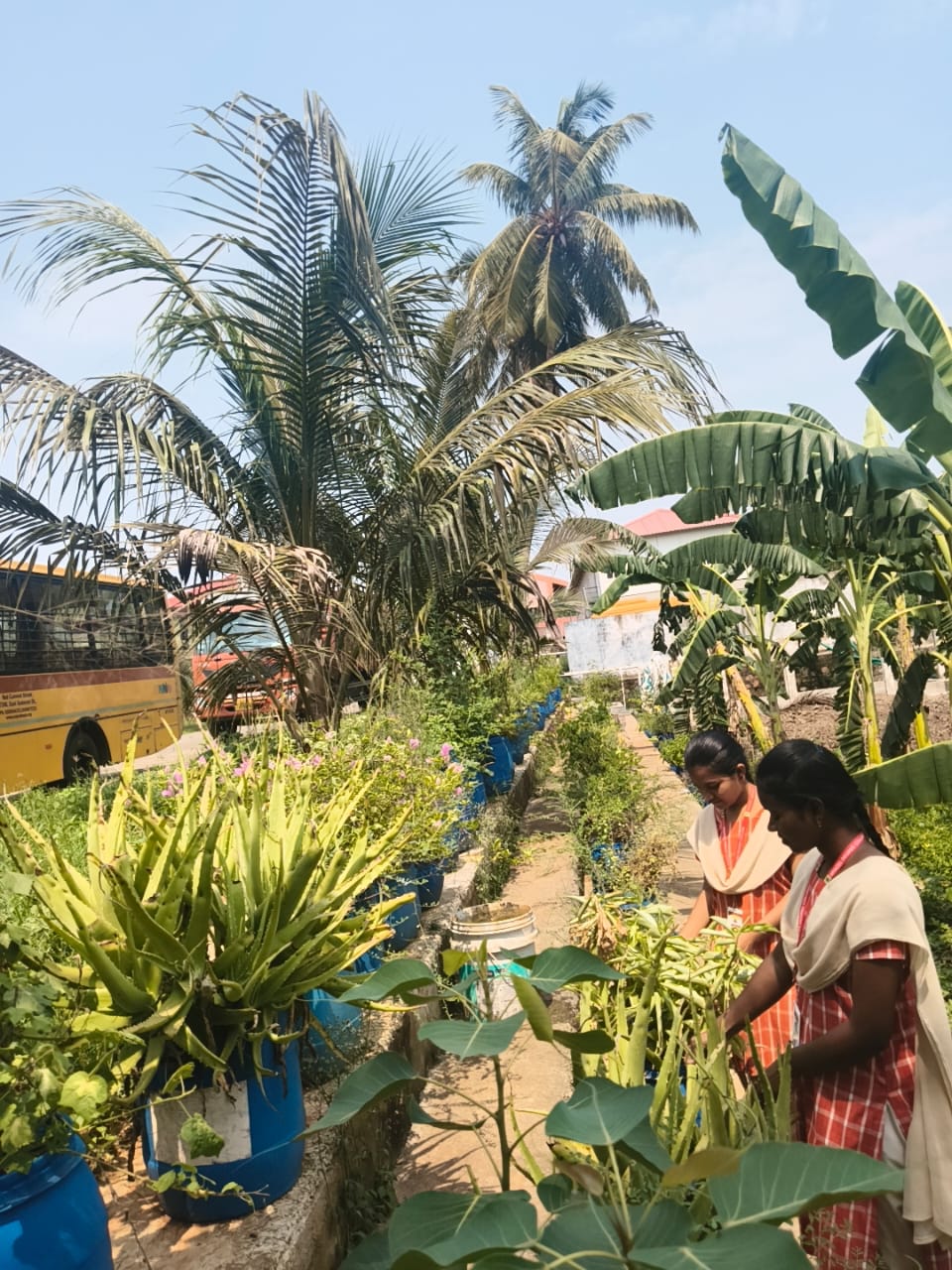
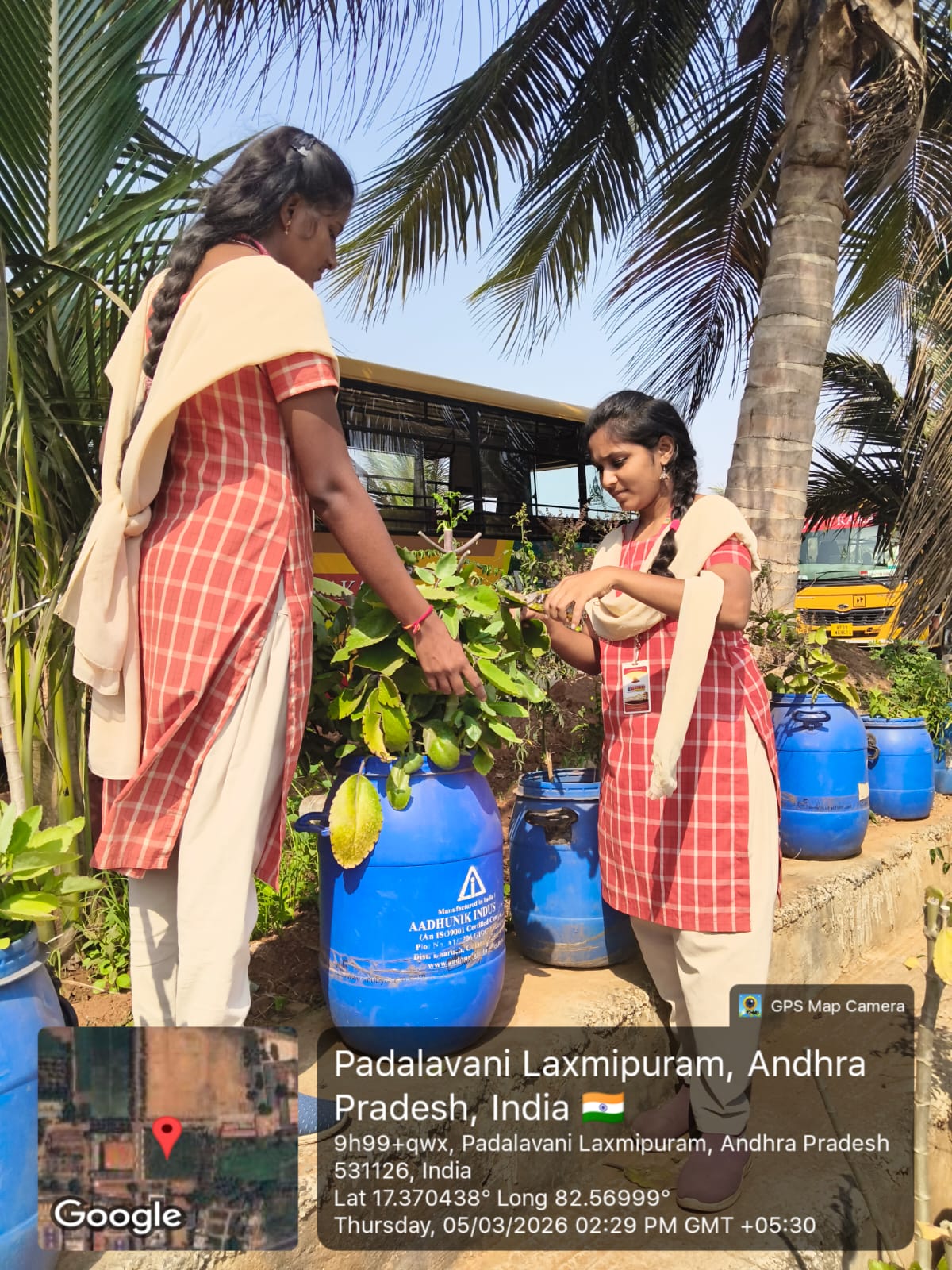
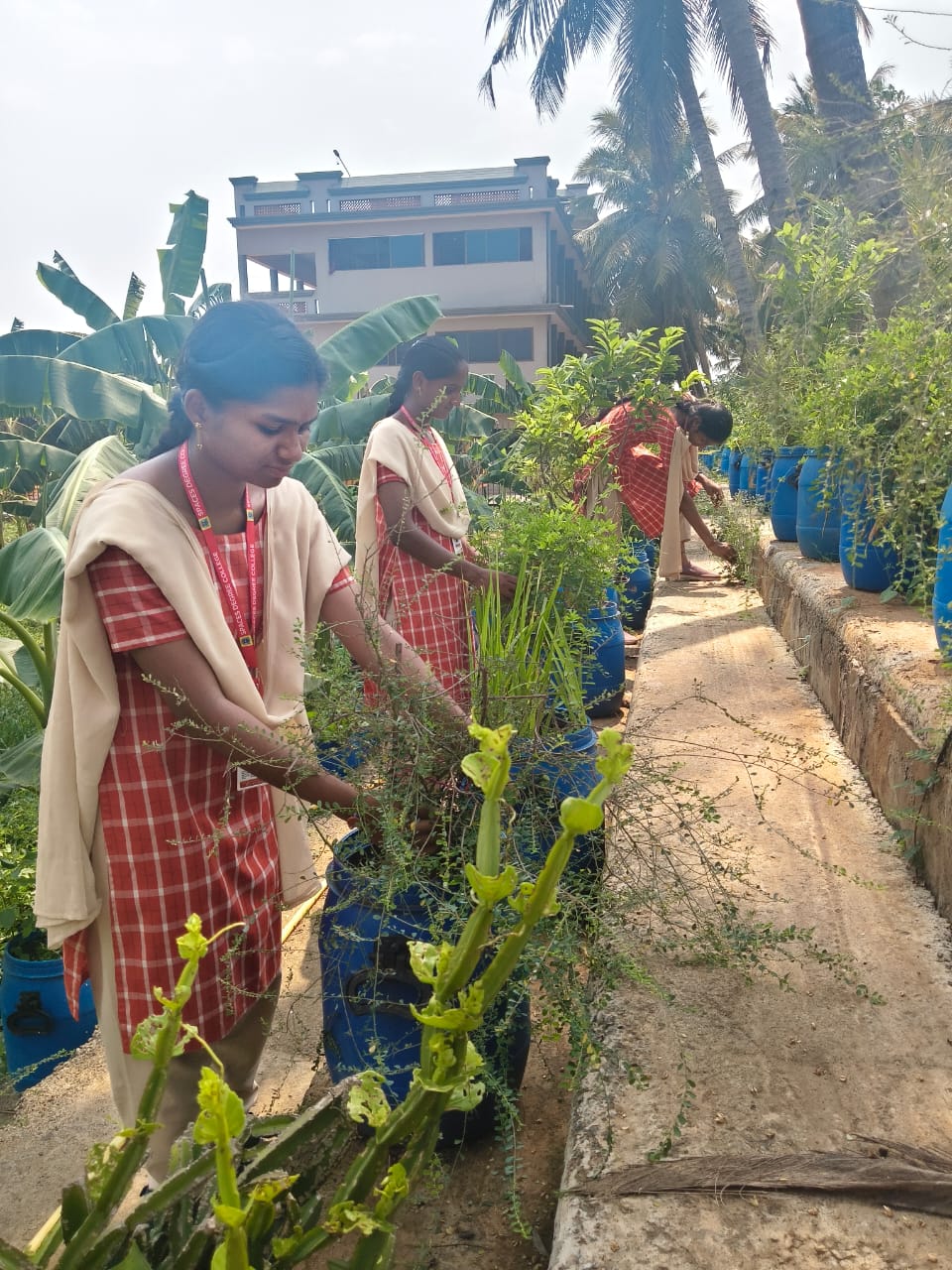
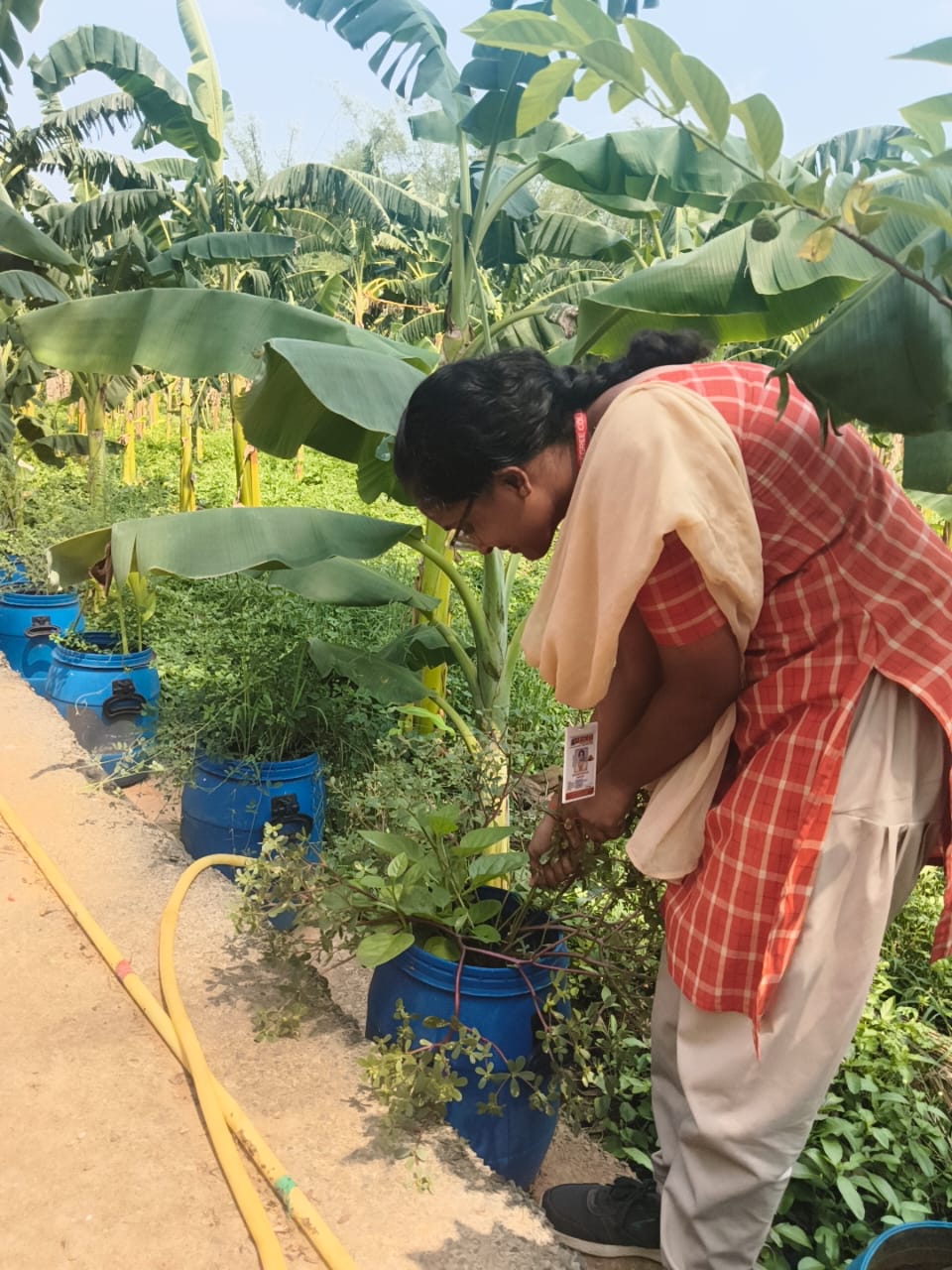
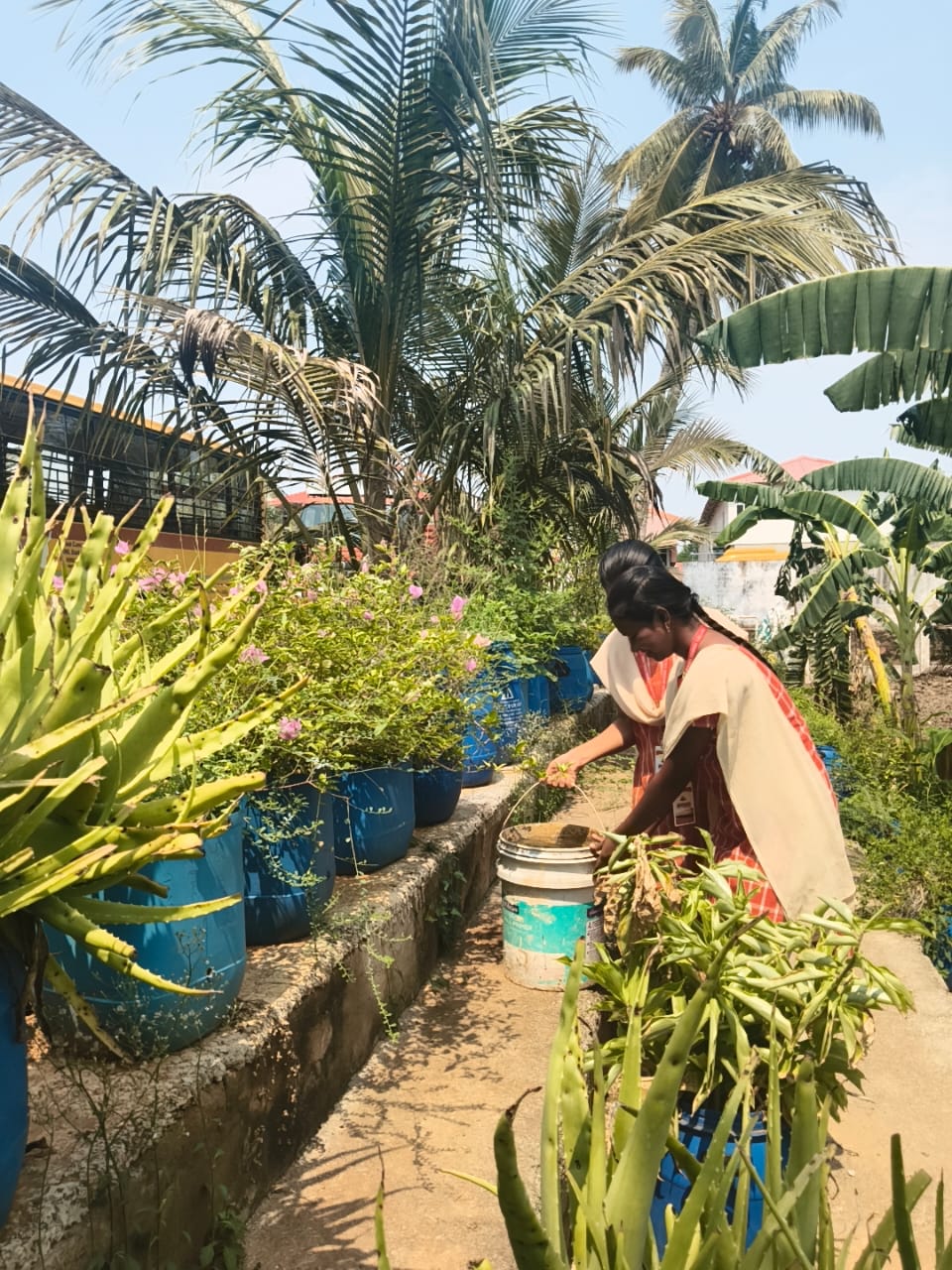
The campus herbal garden contains approximately 50 botanical varieties cultivated across 200 accessible tubs. It functions as a living laboratory connecting biological study, conservation and the supply of clean plant material for nearby Ayurveda healthcare services.
What students build
Whether or not every idea becomes a company, the process develops competencies essential for innovation-driven professional pathways.
Learn. Make. Improve. Launch.